Showing posts with label Cascadia. Show all posts

Monday, December 18, 2017

Americoprs Story of Service

I was drawn to Washington for the natural beauty and the vast number of environmental education, conservation, and research positions that are here in order to protect and ensure that future generations will be able to experience and appreciate all that Washington has to offer. I have always wanted to see Washington and the Cascades, I never really imagined I would be able to live and serve here as a part of the team working to improve and promote the environmental stewardship of these areas.
  I am serving through Washington Service Corps as the Americorps Intern with Cascadia Conservation District in Wenatchee WA. A portion of my service includes going out to schools across Chelan, Douglas, and Okanogan counties to teach an environmental education program called “Wheat Week” to 4th and 5th grade classes. The program uses wheat as the teaching tool in order to talk about greater environmental issues we face such as storm water runoff, pollution, erosion & soil conservation, and energy production. I am extremely happy to be a part of this program and have the opportunity to teach it, programs like this one are the reason I moved from Wisconsin to Washington with Americorps.
This past week I got the chance to teach at Columbia   Elementary in Wenatchee. I met some awesome teachers and enthusiastic future scientists (maybe)! The students here really looked forward to our daily Wheat Week lessons, they could hardly wait to investigate their terrariums and see how their wheat was changing and growing each day. Every day I would have multiple students run up to me and show off the new roots growing or a stem emerging from the little cup of soil. We recorded these observations in our “Kernel Journals” every day. They are so excited that they remember the names of the different parts of the plant that we labeled on the very first day, I have never heard “look! root hairs” shouted with such enthusiasm before. They took such pride in growing their terrariums and taking care of their wheat plants.
The vast majority of the students I teach are far removed from farming and the ideas and issues brought up during our Wheat Week lessons. When presented to them, these are awe inspiring for many of the students who have never realized how much work goes into farming or the amount of effort that many farmers put into being responsible stewards for their lands. At the very end of our week we write postcards to the Washington Wheat Farmers. Reading through the postcards before I send them out is one of my favorite things. The kids write about their favorite parts of wheat week, tell the farmers what they learned, and ask questions about being a wheat farmer.
Seeing the excitement and the enthusiasm that the students have is what motivates me. I see every classroom as an opportunity to advocate for and educate people about the importance of preserving the natural world and the environment. There is always a balance between us and the environment, which I do my best to explain to the kids. I hope that maybe one of them will find an interest or passion for environmental sciences and maybe someday help to solve some of the issues we face.

For more information about Wheat Week, check out Franklin Conservation District’s website!
https://www.franklincd.org/wheat-weekIf you are interested in having this program at your school for 4th and 5th grade and you are located in Chelan or Douglas counties send an email to americorps@cascadiacd.org. 

Tuesday, November 7, 2017

Leaf them be

Now that the colors are changing and those leaves are falling, many people are beginning the fall chore of raking their leaves, the good news is that this isn’t necessary! Skip the raking and bagging and enjoy a game of football or go for a hike instead. The leaves that you pack up and leave curbside to go to landfills are filling up space in the landfills and contributing to the production and release of methane, a formidable greenhouse gas.

According to the EPA landfills accounted for 18% of the total methane emissions in the United States and globally more than 60% of methane emissions are due to human activity. Methane only makes up about 0.00017% of our atmosphere, which may make methane look less important than it really is to us. The problem we face is how powerful methane is, pound for pound the impact of methane is 25-28 times greater than Carbon Dioxide over a 100 year period (EPA), this makes Methane the 2nd most important greenhouse gas behind Carbon Dioxide. We have made a difference and we can continue to make a positive impact on our methane emissions, the lifetime of methane is much shorter than that of Carbon Dioxide a primary greenhouse gas. This shorter lifespan of atmospheric methane means that it can be removed from the atmosphere via chemical reactions in 9-12 years, this means that we can reduce the amount of methane in our atmosphere.


When we place organic materials into our landfills they undergo anaerobic decomposition, meaning they are not exposed to oxygen while they decompose and thus produce methane. When composting, our organic material experiences aerobic decomposition, breaking down in the presence of oxygen. Because of this access to oxygen, carbon dioxide (carbon from the organic material and oxygen from the air) is produced rather than methane. Now this is still a greenhouse gas, but composting done correctly has produces a negligible amount of greenhouse gasses when compared to anaerobic decomposition that takes place in landfills. Plus we can reap many benefits from our compost that we do not see when we take our leaves curbside for the landfills.

Once your compost is ready, it can be added to your soil and gardens as a replacement for chemical fertilizers. Compost is rich in carbon and when distributed back into the soil, it not only provides valuable organic material to your dirt but it also helps to sequester carbon and create what is called a “sink” an area that takes in or absorbs carbon from the atmosphere. If that is not enough of a reason to stop throwing your leaves away and start mulching or composting, they can also help to reduce your water bill! With the added organic matter from those leaves/compost, happily absorbing carbon dioxide from the atmosphere in your soil, they are also increasing the soils capacity to hold and store water, reducing the need or the frequency with which you have to water or irrigate your soil. It helps to reduce soil compaction, making for wonderfully workable soils. The healthier the soil, the less the risk of erosion as well, which will in turn help to reduce the amount of sediments in our storm water runoff, improving the water quality.

If you have a new found love of composting or want to try it out this fall, our Urban Ag. program has some great information for how to get started with composting in an urban setting. Contact Sandy Letzing at SandyL@cascadiacd.org or call into the office at 509-436-1601 for more information or with questions regarding composting.


-Justine


Works Cited:

Friday, June 2, 2017

Spring Festivities

     Spring is our busiest time with community outreach, due to the sunnier weather and the multitude of Spring festivals. This year, I had the opportunity to attend and provide outreach at the Entiat Swallowfest, Chelan Earth Day Fair, Leavenworth Earth Day Community Fair, Entiat Earth Day at the elementary school, Apple Blossom Youth Day, and Touch-a-Truck. Each festival varied in size, but we reached 75-200 community members at each event. This year we partnered with Team Naturaleza, which allowed us to bring kids arts and crafts as well as educational material to each event.

     As a part of Earth Day, I reinvigorated our district’s Earth Day essay contest. It was open to students in grades 6-8 and I had 37 students from three schools participate. This year’s theme focused on encouraging the students to reflect on an experience they’ve had in nature that inspires them to care for the Earth. The top three essay winners each received student memberships to the Wenatchee Valley Museum and Cultural Center, as well as hand painted nature journals from local naturalist Heather Wallis Murphy. Prizes were presented at the Leavenworth Earth Day Community Fair.


     Educational outreach is critical to all of our programs. For example, at the Chelan fair I had three groups of people sign up for fire risk assessments for their properties, which is part of our Firewise program. The festivals give us a chance to meet with and talk to the community about all of the programs and services we have to offer. It also gives us a chance to address any concerns or questions that individuals may have. I have learned through the outreach that often times individuals do want to help their land improve, thereby improving their environment, but they don’t know where to begin. That is when we can help bridge that gap by connecting our resource professionals to the concerns and problems facing a particular area. 

Thursday, December 8, 2016

Little Chumstick Creek Community Tire Clean-Up Day

In the summer of 2016, a property was foreclosed adjacent to Little Chumstick Creek.  During the clean-up process, a non-local contractor avoided dumping fees by disposing of 300-350 tires directly into Little Chumstick Creek.  After several months of frustrated neighbors working with the bank that owns the offending property, and pressuring the responsible contractor to remedy the problem, the neighborhood had little success.  During the recent implementation of a Cascadia Conservation District stream restoration project on adjoining property, the neighbors reached out to see if the CD could assist with removal and disposal of the tires.
Tires illegally dumped in creek

Volunteers hauling tires out of creek
AmeriCorps member Ava is keeping track of signing in volunteers
Little Chumstick Creek is a tributary of Chumstick Creek, which has been identified as critical steelhead and salmon habitat in the Wenatchee River Watershed. Streams were re-opened to fish passage in 2012 after 13 fish barriers were removed and replaced with cast concrete bridges.  Following the barrier removal, endangered steelhead and spring chinook have increased use of the creek which offers protection to juveniles during high water events in the Wenatchee River, and cold water for spawning during peak summer temperatures.


Most of this ~15 mile watershed has been utilized for agriculture throughout the 20th century, which has resulted in severally degraded habitat throughout much of the watershed.  Cascadia Conservation District has partnered with Washington Department of Ecology to make stream restoration a priority in the Chumstick watershed, and this project area represents an excellent example of an area in need of restoration and clean-up to improve habitat as well as water quality and quantity.
Semi-trailer used to haul tires away from site


The district hosts 1-2 volunteer clean up days in each of the Chelan County Watersheds each year. Our efforts are directed towards building relationships within the community we serve, as well as local by-in to continue implementing restoration projects in the area. 


Crew after helping to remove tires from the creek


On Saturday, December 3rd, Cascadia hosted the tire clean-up day. To make the clean-up possible, Chelan County Solid Waste donated use of a 28 foot semi-trailer to haul out tires and pay for the cost of disposal. We had about 18 volunteers attend the event and were able to remove about 350 tires in only two hours! We look forward to continue making progress in habitat restoration throughout Chelan County. 

Monday, September 26, 2016

Cascadia's New AmeriCorps Member


Hello!

My name is Ava Izdepski, and I am the new AmeriCorps member serving at Cascadia Conservation District.

I am originally from Edmonds. I went to college at the University of San Diego, where I was an Environmental Studies major. During my time in San Diego, I was a volunteer with the Ocean Discovery Institute. While volunteering, I was given the chance to help teach environmental education lessons to students in elementary schools. I recently moved back to Washington to be closer to family.  I am looking forward to continuing to teach environmental education with Cascadia, as well as participate in and bring value to the other programs the district implements.

Since starting my term of service, I have had the opportunity to demonstrate our Enviroscape model at the Chelan County Fair, work at the Rolling Rivers display during Salmon Festival in Leavenworth, and complete Wheat Week training in Quincy. I am very excited to continue to learn and grow throughout this year of service. I look forward to taking advantage of all the opportunities this area has to offer!

Thank you for viewing the blog and be sure to stay in touch with questions and/or comments throughout the year. I am looking forward to using the blog to encourage conversation about a variety of topics.

Our Picture Chelan County Photo Contest is still in full swing and accepting submissions until this Saturday, October 1st. You can submit photos of Chelan County for six categories including plants, wildlife, agriculture, recreation, landscapes, and water. You can upload your photos to http://cascadiacd.org/photo-contest_347.html for a chance to be included in the 2017 natural resources stewardship calendar!

~ Ava

Wednesday, February 24, 2016

Let's Get (Native) Planting!

Black Huckleberry
Spring is definitely in the air- little bits of green life are starting to make their brave entrance into the world, the piles of snow that once towered are shrinking by the minute, and we at Cascadia are starting to think about our springtime projects.

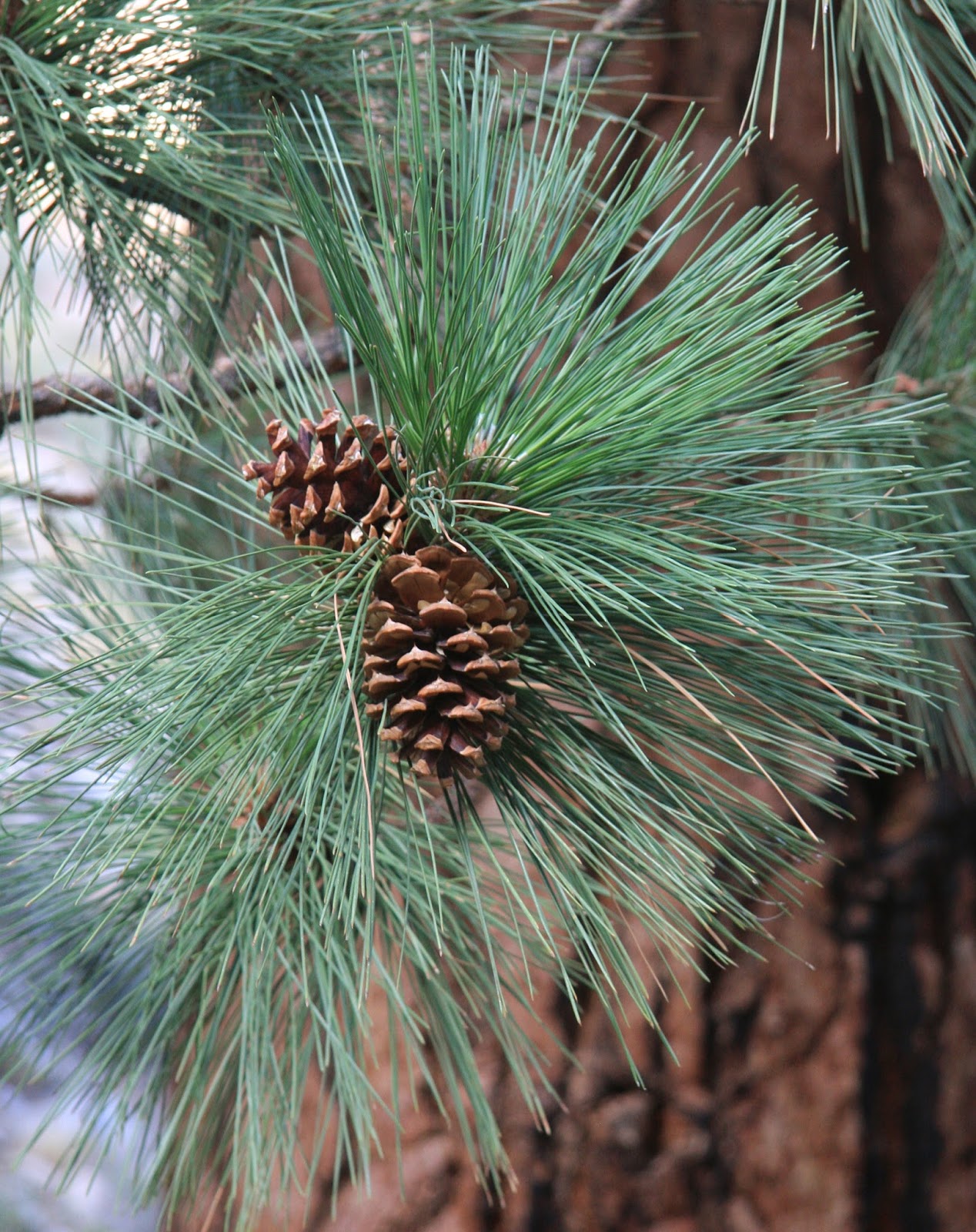
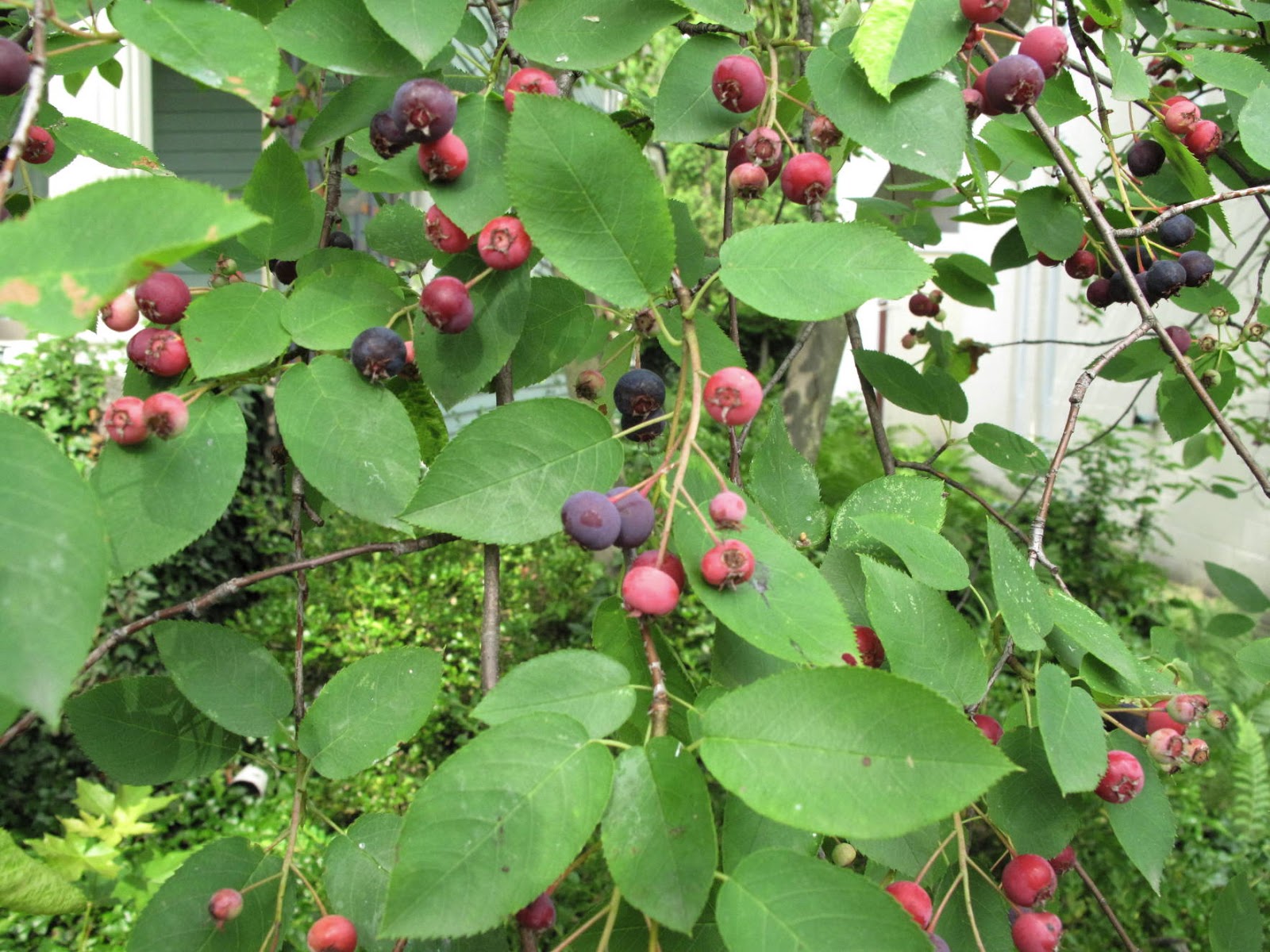
The main one I want to touch on today is our Native Plant Sale and Workshop. This year we are offering nine different species of Native Plants. These plants are grown from Eastern Washington seed stock by the Washington Association of Conservation Districts Plant Materials Center in Skagit County. Plants offered include Ponderosa Pines, Vine Maples, Black Huckleberry and Red Osier Dogwood, among others. These plants are commonly used for restoration, soil stabilization, and some are considered to be fire resistant. A brochure describing the uses and benefits for each plant is linked to our website, along with an updated plant listing, and order form. Plant orders are due by March 4th and can be mailed into the Cascadia Conservation District office with a deposit. Once ordered, you can pick up your plants on April 16th from 10am to 1pm at the Stemilt Growers Warehouse in North Wenatchee.

Ponderosa Pine
If you are interested in ordering Native Plants, but have no idea how to best utilize them on your property then you may be interested in attending our Native Planting 101 Workshop. This FREE workshop is taking place on March 5th from 12 to 4:30 pm at the PUD Auditorium on N. Wenatchee Avenue. This workshop is perfect for landowners in our district who are interested in learning techniques to effectively use native plant species to encourage pollinators, restore damaged areas, and create a low maintenance yardscape. It may be particularly useful for property owners who lost vegetation in last summer’s fires or for those who are seeking to become more FireWise. The workshop features presentations on Yardscaping, Pollinators, Restoration, and Integrated Weed Control Methods by local plant and natural resource experts. Workshop attendees will have an extended deadline of March 11th for ordering plants from the Native Plant Sale. You can register for this free event on our website!

Serviceberry
If you are interested in either of these events you can find more information on our website, cascadiacd.org. Our Native Plants are selling out quickly, so if you haven’t already had a chance to make your plant selections, I strongly urge you to do so as soon as possible! We are also looking for more volunteers for both of these events- if you are interested in volunteering send an email to americorps@cascadiacd.org. 

-McKenzie

Wednesday, December 23, 2015

Let it snow!

Continuing in the tradition of the last few years of AmeriCorps blogs- I’m here to talk about snow! While the aforementioned element of fire has strongly affected my life, of equal importance is the element of water, specifically in the form of snow. As long as I can remember I’ve always had a deep connection to snow. Winters growing up in the Entiat Valley were always full of sledding, snowshoeing, and cross country skiing. After my family’s home burnt down in 1994, we lived in a yurt while re-building on our property. That was the winter of 1996-97, I was three years old and it snowed upwards of 5 feet. We couldn’t be happier as our yurt turned into an igloo and the landscape found relief in the added moisture. When I was six years old, my mom woke me up to show me that it had snowed overnight and I began to cry because I found it so beautiful. And at 14, I fell in love with the sport of alpine skiing at Mission Ridge and have been incredibly hooked on the sport since. I can’t quite put my finger on it; what snow brings that is so magical. Perhaps it is the peacefulness- the muffling of loud sounds, the necessity of moving slower through our day’s errands. Perhaps it is the nostalgia of feeling like a child again- the ageless feeling we get when playing in the snow. For me it is the coldness of the air that brings a sense of clarity and the endorphins I get from skiing, hiking, and playing in the snow. And obviously, it is the holidays that bring us all together- the break from work and school, the importance of reflection and gratitude we feel during this time of year.

The percentage of area in drought status is still higher right
now that it was one year ago.
Besides the joyous wonders of a white holiday season- the effects of a snowy (or dry) winter last long into the summer. Last winter we saw an incredible lack of snow and the ecological and economic effects of that hit hard over the summer. The effects of the biggest wildfire ever in our state’s history led to lack of tourism and loss of important infrastructure. The lack of water led to a weakness in our defense against those fires, it was hard hitting on orchardists and farmers, habitat for important species suffered, the list goes on and on.  Although we are still currently in a drought- the Department of Ecology recently stated that the Drought Emergency Declaration will be ending at the end of the year due to snow levels being at or above 100% of normal for this time of year. For the emergency declaration to be made water supply levels must be below 75%. The month of December has been so good to our area with snow falling up high and a mixture of rain and snow falling down low. I am eager to see where this El Nino season takes us and am hoping that the trend of snow continues. And if it does, I am eager to see the effects of that come summertime.  
Our region is currently at 126% of normal
snow water equivalent.

As a person whose happiness strongly depends on the ability to ski in the winter months I will say that I’ve learned to do it while you can. Mission Ridge is at ~70 inches of snowfall for the month, close to their ~100 inch December snowfall record. Who knows what the rest of the season will bring us- hopefully more of the same, but possibly not. Until it changes, that’s where you’ll find me (and a few others from the Cascadia office)!

As always thanks for stopping by, on behalf of the Cascadia staff, we wish you a very joyous holiday season! Let me know in the comments what your favorite part of a snowy holiday season is!


-McKenzie

Sources:
ftp://ftp.wcc.nrcs.usda.gov/data/water/wcs/gis/maps/wa_swepctnormal_update.pdf
http://www.ecy.wa.gov/drought/index.html
http://droughtmonitor.unl.edu/Home/StateDroughtMonitor.aspx?WA