Showing posts with label spring. Show all posts

Friday, June 2, 2017

Spring Festivities

     Spring is our busiest time with community outreach, due to the sunnier weather and the multitude of Spring festivals. This year, I had the opportunity to attend and provide outreach at the Entiat Swallowfest, Chelan Earth Day Fair, Leavenworth Earth Day Community Fair, Entiat Earth Day at the elementary school, Apple Blossom Youth Day, and Touch-a-Truck. Each festival varied in size, but we reached 75-200 community members at each event. This year we partnered with Team Naturaleza, which allowed us to bring kids arts and crafts as well as educational material to each event.

     As a part of Earth Day, I reinvigorated our district’s Earth Day essay contest. It was open to students in grades 6-8 and I had 37 students from three schools participate. This year’s theme focused on encouraging the students to reflect on an experience they’ve had in nature that inspires them to care for the Earth. The top three essay winners each received student memberships to the Wenatchee Valley Museum and Cultural Center, as well as hand painted nature journals from local naturalist Heather Wallis Murphy. Prizes were presented at the Leavenworth Earth Day Community Fair.


     Educational outreach is critical to all of our programs. For example, at the Chelan fair I had three groups of people sign up for fire risk assessments for their properties, which is part of our Firewise program. The festivals give us a chance to meet with and talk to the community about all of the programs and services we have to offer. It also gives us a chance to address any concerns or questions that individuals may have. I have learned through the outreach that often times individuals do want to help their land improve, thereby improving their environment, but they don’t know where to begin. That is when we can help bridge that gap by connecting our resource professionals to the concerns and problems facing a particular area. 

Friday, March 17, 2017

Community Supported Agriculture

Community Supported Agriculture.

The idea is simple. Get community members to pay farmers the cost upfront for receiving a weekly box full of the harvest’s bounty.


Of course, there is a shared risk factor involved in anything to do with farming. If a crop gets damaged or fails to produce anything, the consumer and the farmer are both negatively impacted.
The original CSA format, promoted by Robyn Van En, called for community members to participate in the labor on the farms using the share model approach. Now, with more and more members joining from cities and urban centers, there has been a shift to what is known as a subscription based model.

On the plus side, community members receive a substantial amount of locally produced, farm fresh products that allow them to eat healthy and cost-effectively. For the farmer, they receive money upfront, which helps with their cash flow through the growing season. Also, they help build a community bond with their neighbors by sharing what they do.

Benefits include local variety, introduction of new vegetables, economic viability for the farmer, opportunity for a living wage for farmers, local distribution of food (>100 mile radius) decreases transportation and carbon costs, community celebrations like harvest festivals, and donations of excess produce to food banks.

The subscription CSA model can involve a single farm, but it is becoming increasingly common to have multiple farms participate. This way, if a crop does not do well on one farm, the box can be supplemented with produce from a different farm.One of the biggest challenges that CSA farmers face is in getting land security for farms that are closest to urban centers.

On the consumer side, cost can be the biggest determining factor. Asking individuals or families on tight budgets to submit a lump payment, before the season begins, is not a feasible option. Some CSA’s are tackling this problem by offering a sliding scale option that can even accept SNAP benefits through certain USDA grants (Solomon). These are known as Agriculture Supported Communities (ASC). (Celebrate CSA). The weekly payment format is more accessible for low-budget families or for individuals on fixed income.

Everyone wants to eat healthy, locally grown produce. The issue is the cost and availability of such products. If you want to support your local farmers, while also being sustainably healthy, look below for some different choices. Spend time investigating the best fit for you and your family. There are lots of options!

In the Wenatchee valley, here are some options for joining a CSA:


If you’re in the Seattle area, check out http://www.seattletilth.org/about/stcsa
Or visit http://www.pugetsoundfresh.org/find-csa to find a CSA near you.

Farmer’s markets are a great choice as well, and may take less time and money to participate in. 

Below are some links to farmer’s markets coming in to season soon:

Cascadia Conservation District will be hosting a Backyard Gardening workshop on Saturday, April 15th. Come on over to the Community Education Garden to learn more about composting, gardening, and even backyard chickens!!!


~ Ava

Works Cited

"Community Supported Agriculture.” Complied by AFSIC Staff, Alternative Farming Systems Information Center, National Agriculture Library, U.S. Department of Agriculture. Reviewed Feb. 2017. https://www.nal.usda.gov/afsic/community-supported-agriculture
Local Harvest. “Community Supported Agriculture.” http://www.localharvest.org/csa/
McFadden, Steven. “The History of Community Supported Agriculture, Part II.” February, 2004. Rodale Institute Dig Deeper Blog.  http://rodaleinstitute.org/the-history-of-community-supported-agriculture-part-ii/
Rodale Institute. “Celebrate CSA Day with Rodale Institute.” Dig Deeper Blog. 22 Feb. 2017.  https://rodaleinstitute.org/celebrate-csa-day-with-rodale-institute/
Solomon, Nicole. “CSA aims for affordability.” Mother Nature Network. 26 Aug. 2009. http://www.mnn.com/your-home/organic-farming-gardening/stories/csa-aims-for-affordability


Wednesday, February 24, 2016

Let's Get (Native) Planting!

Black Huckleberry
Spring is definitely in the air- little bits of green life are starting to make their brave entrance into the world, the piles of snow that once towered are shrinking by the minute, and we at Cascadia are starting to think about our springtime projects.

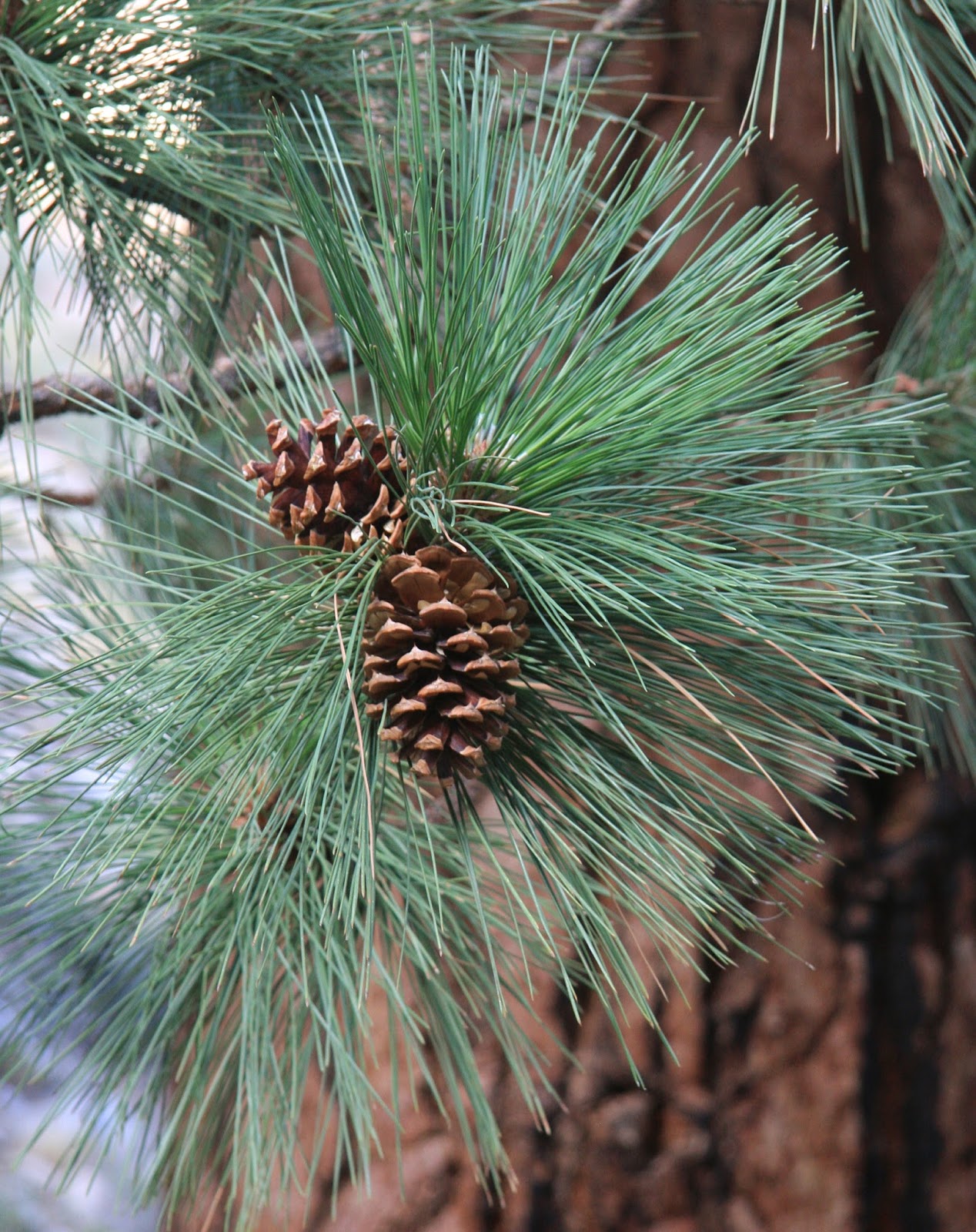
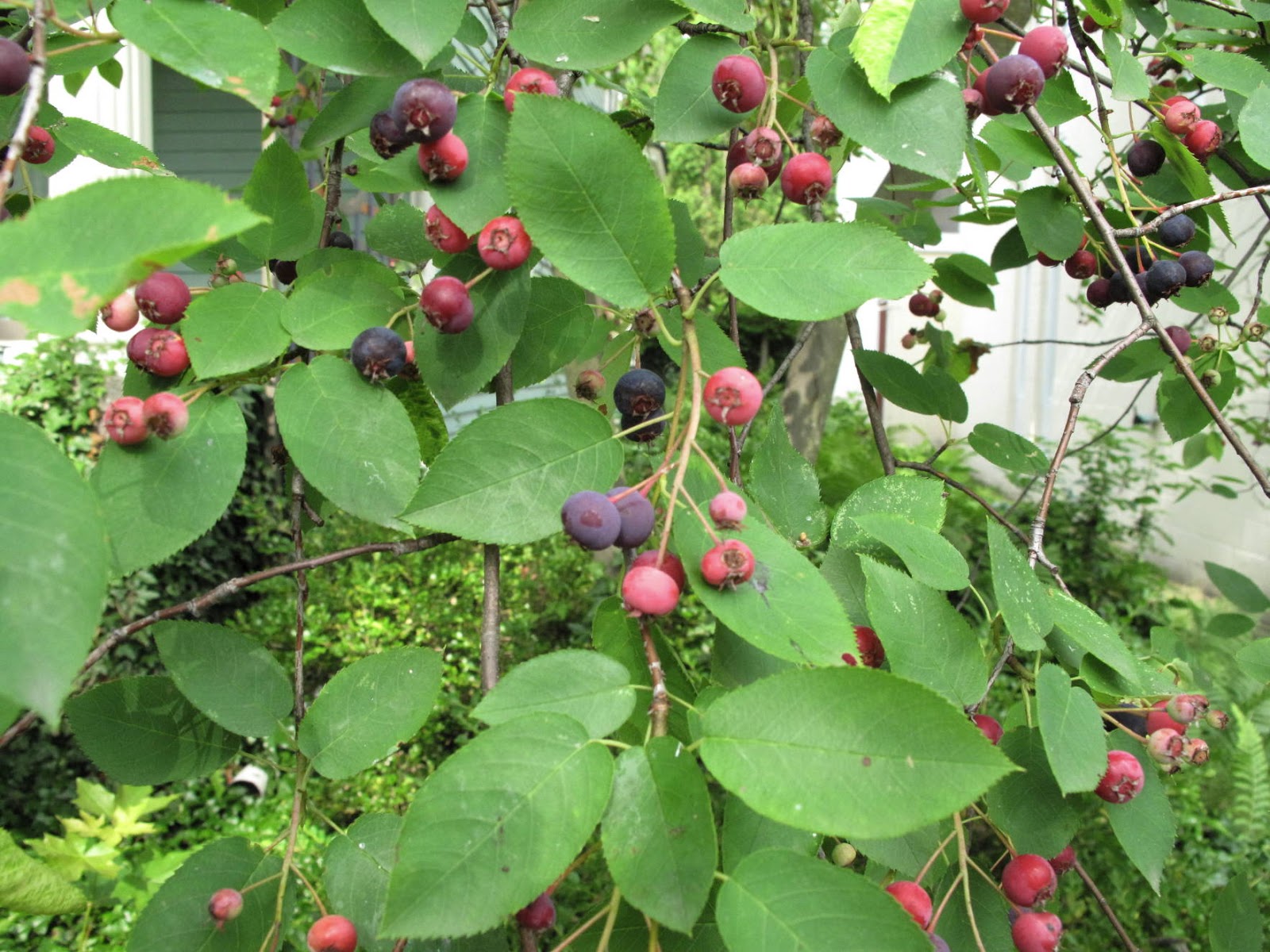
The main one I want to touch on today is our Native Plant Sale and Workshop. This year we are offering nine different species of Native Plants. These plants are grown from Eastern Washington seed stock by the Washington Association of Conservation Districts Plant Materials Center in Skagit County. Plants offered include Ponderosa Pines, Vine Maples, Black Huckleberry and Red Osier Dogwood, among others. These plants are commonly used for restoration, soil stabilization, and some are considered to be fire resistant. A brochure describing the uses and benefits for each plant is linked to our website, along with an updated plant listing, and order form. Plant orders are due by March 4th and can be mailed into the Cascadia Conservation District office with a deposit. Once ordered, you can pick up your plants on April 16th from 10am to 1pm at the Stemilt Growers Warehouse in North Wenatchee.

Ponderosa Pine
If you are interested in ordering Native Plants, but have no idea how to best utilize them on your property then you may be interested in attending our Native Planting 101 Workshop. This FREE workshop is taking place on March 5th from 12 to 4:30 pm at the PUD Auditorium on N. Wenatchee Avenue. This workshop is perfect for landowners in our district who are interested in learning techniques to effectively use native plant species to encourage pollinators, restore damaged areas, and create a low maintenance yardscape. It may be particularly useful for property owners who lost vegetation in last summer’s fires or for those who are seeking to become more FireWise. The workshop features presentations on Yardscaping, Pollinators, Restoration, and Integrated Weed Control Methods by local plant and natural resource experts. Workshop attendees will have an extended deadline of March 11th for ordering plants from the Native Plant Sale. You can register for this free event on our website!

Serviceberry
If you are interested in either of these events you can find more information on our website, cascadiacd.org. Our Native Plants are selling out quickly, so if you haven’t already had a chance to make your plant selections, I strongly urge you to do so as soon as possible! We are also looking for more volunteers for both of these events- if you are interested in volunteering send an email to americorps@cascadiacd.org. 

-McKenzie

Tuesday, June 17, 2014

Dry Spring

Summer is nearly upon us. And for the first time in a few years I feel like the weather has progressed in an appropriate fashion, slowly transitioning out of winter, warming up in early spring, some hot days in May, but generally a constant increase in temperature without a lot of fluctuation. The hills were spring green, the flowers bloomed, and now as we move into summer they’re taking on their more traditional ‘golden’ color.  I consider it an almost perfect spring.
Perfect except for the lack of moisture. It’s looking to be a dry summer. Three small blazes have already occurred in and around the area. One from lightning, one from a campfire, and the most recent may be linked to fireworks. While two of those were easily preventable (i.e. don’t play with fire outside in the summer), it still bodes poorly for this summer’s fire season.
It’s been a dry spring. That’s not to say there is or will be a lack of water. Last I looked the river was flowing along just fine, full of cold and (somewhat) clear water. Water still flows from our taps and our lawns are just as green as ever. The snowpack near the end of winter was just about where it needed to be to ensure proper water flows down the rivers and through our pipes.
The lack of spring moisture will be felt more in the hills and forests. Areas we can’t just turn on the sprinkler and let the water flow upon the parched land. And guess what? The native plants don’t care. There’s a reason they’re native. They survive and thrive in this climate. Going for a few months without water from the sky is natural.
Some of them survive by doing all their growing and flowering in the spring when there’s water available from snowmelt. At this point annuals usually die off leaving behind their seeds to sprout up the following spring. Some perennials die back and wait out the summer, fall, and winter, sprouting with new growth when spring comes again. Other plants survive and grow throughout the year by sinking roots deep into the soil to get at the water that never quite evaporates.
The problem is invasive plants thrive in this climate as well. They’re invasive because they can outcompete native plants. Whether by taking over areas native plants don’t usually grow, colonizing a disturbed area quicker, or some combination of these and other reasons.
Wildfires are a natural part of the ecosystem. And in a healthy ecosystem they generally burn quickly through an area and move on. The problem we have is the amount of material present creates dangerous fire conditions. Invasive plants grow around natives filling in what may have been a ‘natural’ fire break. Lack of fire over several years allows native plants to grow bigger and spread over a larger area than they have historically. All this leads to bigger and bigger fires.
Which can be counteracted by higher levels of moisture. It’s hard for fires to burn through green grass or damp soil. If there had been more spring rain the three small fires this year might not have occurred. Rain can counteract an unhealthy aspect of an ecosystem. The thing is we can’t count on the rain. Our area is dry and prone to fires. Hoping for moisture won’t change that.
Many wildfires can be prevented through safe outdoor activities: no campfires, no sparks, etc. But the lightning strike that started the first wildfire this year is not something we can control. Lightning is a natural process and was the original igniter for the natural wildfire cycle of our area. Putting it out was probably the correct thing to do. Wildfires have been suppressed long enough that to let them burn unchecked will lead to massive ecological and property damage. But we’ve also reached the point that any wildfires that do start will take on a life of their own and provide a real challenge to control and stop.
Funny how a lack of falling water from the sky can have such an impact on our area. We’ll probably be fine. Most people are safe when they’re outdoors in the middle of the summer with the fire danger. And hopefully it doesn’t turn into a smoky, miserable summer.

Thursday, April 24, 2014

Apple Blossom

The Apple Blossom Festival is nearly here. The food fair will start serving shortly. The carnival is rising at Riverfront Park. The youth parade is just a couple days away, followed by the main parade a week later. It’s a busy time of year in Wenatchee. Tens of thousands of people will flood the parks and streets to enjoy all we have to offer.

Look outside of Wenatchee and you’ll notice the orchards abloom. Spring presents a medley of blossoms: cherry, apple, pear, peach, plum, nectarine, and so forth. Washington leads the nation in production of apples, cherries, and pears. Why do they grow so well here? It really comes down to a combination of climate and water availability.
The weather is great here in Washington. We experience all four seasons. If you look back at the blog post on seed dormancy you’ll read about how some seeds require a period of cold before sprouting. Well, some trees require cold before they’ll produce blossoms, and therefore, fruit. We also have nice warm, dry summers. The fruit loves the hot weather. It helps ripen the fruit and gives it a good color and sweetness. All the sunshine helps the tree photosynthesize and produce great fruit. The dry weather is good for the fruit too. Rain and hail can damage fruit as it grows. Cherries often soak up too much water during a rain storm and then their skin splits.
The downside to dry weather is the lack of moisture. The trees need to be watered. Without water the tree might die, or at the very least it won’t produce good fruit. That’s where the water availability comes in. We happen to have an abundance of water available to use in Washington from the rivers. The dams create reservoirs and out of these reservoirs flows irrigation water headed to the orchards and the fields, allowing crops to thrive in our arid climate.
  

Apple blossoms were, and still are, an important aspect of Washington life. The orchards have been shrinking for many years. 50 years ago most of the Wenatchee Valley was a forest of orchards. Orchards are continually pushed back to the outreaches of communities as people look for more land to build homes and businesses on. As people moved in next to orchards they started to complain about the dangers of living next to an orchard. The pesticides and fertilizers applied to protect and help the fruit grow. Prices for apples have dropped under competition from many countries around the world. China produces more than half the world’s apples. 

Thursday, March 6, 2014

Daylight Savings?

The new Month brings us fully moved out of our old office in the Wenatchee-Okanogan Forest Headquarters and into our new office in the top floor of the Wenatchee World building. There are still a few boxes that need to be unpacked and a few cables that still need to be plugged in, but we're just about up and running. The last week of February was crazy busy as we finished packing, loaded the moving truck, drove to our new office, unloaded the truck, and drove back for another load. Everyone at the office pitched in to help wherever they could, and we were able to get through the bulk of the moving in just a few days. Most of us are happy to be in downtown Wenatchee. There are more services and amenities around us and some of us have shorter commutes as well. Visit our webpage to view all of our new contact information.

Daylight savings time is this weekend, so come Sunday we’ll have an hour less of daylight in the morning and an hour more in the evening. There are various reasons why it was originally proposed and implemented. When “daylight savings” first began it was thought to save on power by giving people an extra hour of light in the evening. Essentially an hour that people were generally up that they now didn't need to use lights during. Whether there’s any power savings from it is inconclusive. Some say yes, others say no. Data can be used to support both arguments. Personally I don’t really care about the power savings. I really like the extra hour of light after work. But on the other hand, I don’t like losing the hour of light in the morning. (I may be getting up too early if I notice the light in the morning at this time of year.)  Regardless of how we feel about the change it’s coming.
It’s interesting to look at how the time change affects different people. For many of us that work a normal 9-5 job or some variant thereof the change is nice. We can get more done outside on any given day, or have more time to go out and enjoy the sunshine. For the agricultural based communities or cultures the change is less noticeable. Their daily schedule is governed by the daylight present. They could care less about the “hour” when that light comes. They’re still going to be up with it and out in it until the sun goes down.
Another interesting thought is that the natural world doesn't care about our time standards. One sunrise is the same as any other to a plant, deer, or fish, even if it changes by an hour to us. Most of nature runs off the sun cycle and the temperature changes that come with it, so animal and plant activity levels depends on the time of year and the amount of light or, for nocturnal creatures, the amount of dark. Think about someone going hunting, they don’t get to go hunting at a time that’s convenient for them. If an animal is most active at dawn the hunter better be out at dawn, whether the clock reads 4:30 a.m. or 7 a.m.

This post hopefully makes you think about how we run our lives off a clock, but the rest of nature doesn't. We put so much pressure to set deadlines, but a tree grows when there’s enough light, water, and warmth. A deer goes foraging when the sun comes up, it doesn't care if it’s at 5 or 7.