Showing posts with label Wildfire. Show all posts

Wednesday, February 24, 2016

Let's Get (Native) Planting!

Black Huckleberry
Spring is definitely in the air- little bits of green life are starting to make their brave entrance into the world, the piles of snow that once towered are shrinking by the minute, and we at Cascadia are starting to think about our springtime projects.

The main one I want to touch on today is our Native Plant Sale and Workshop. This year we are offering nine different species of Native Plants. These plants are grown from Eastern Washington seed stock by the Washington Association of Conservation Districts Plant Materials Center in Skagit County. Plants offered include Ponderosa Pines, Vine Maples, Black Huckleberry and Red Osier Dogwood, among others. These plants are commonly used for restoration, soil stabilization, and some are considered to be fire resistant. A brochure describing the uses and benefits for each plant is linked to our website, along with an updated plant listing, and order form. Plant orders are due by March 4th and can be mailed into the Cascadia Conservation District office with a deposit. Once ordered, you can pick up your plants on April 16th from 10am to 1pm at the Stemilt Growers Warehouse in North Wenatchee.
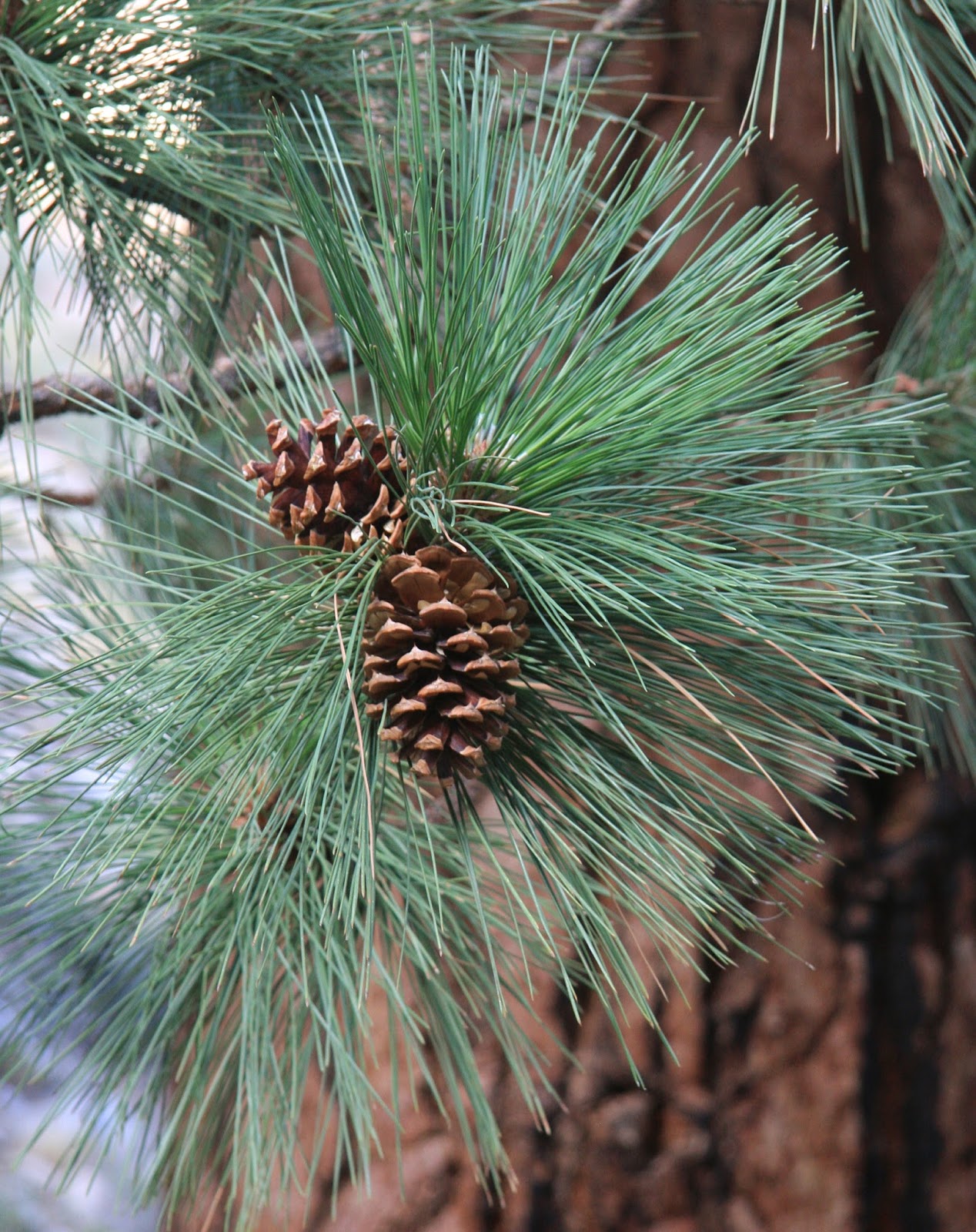
Ponderosa Pine
If you are interested in ordering Native Plants, but have no idea how to best utilize them on your property then you may be interested in attending our Native Planting 101 Workshop. This FREE workshop is taking place on March 5th from 12 to 4:30 pm at the PUD Auditorium on N. Wenatchee Avenue. This workshop is perfect for landowners in our district who are interested in learning techniques to effectively use native plant species to encourage pollinators, restore damaged areas, and create a low maintenance yardscape. It may be particularly useful for property owners who lost vegetation in last summer’s fires or for those who are seeking to become more FireWise. The workshop features presentations on Yardscaping, Pollinators, Restoration, and Integrated Weed Control Methods by local plant and natural resource experts. Workshop attendees will have an extended deadline of March 11th for ordering plants from the Native Plant Sale. You can register for this free event on our website!
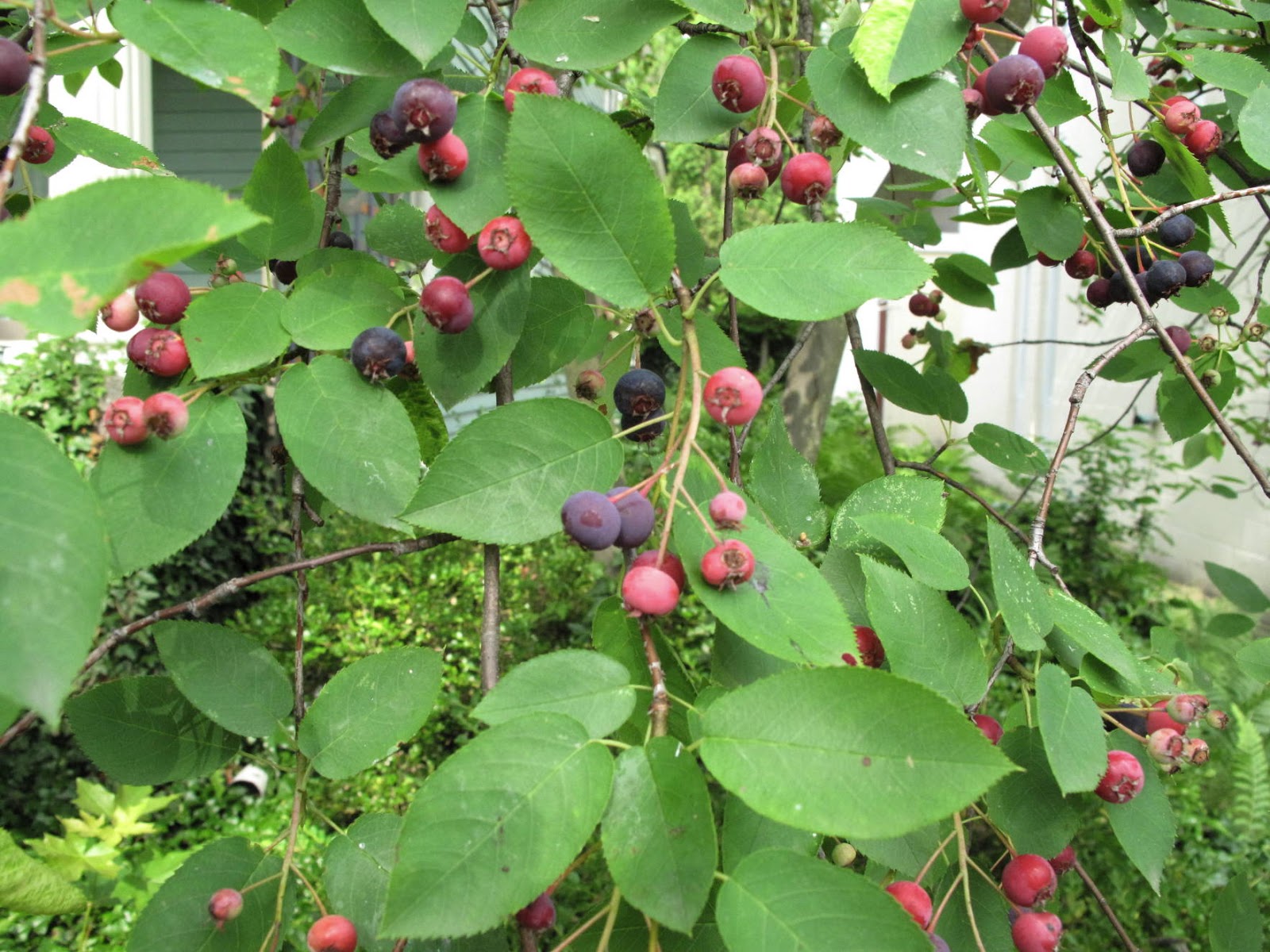
Serviceberry
If you are interested in either of these events you can find more information on our website, cascadiacd.org. Our Native Plants are selling out quickly, so if you haven’t already had a chance to make your plant selections, I strongly urge you to do so as soon as possible! We are also looking for more volunteers for both of these events- if you are interested in volunteering send an email to americorps@cascadiacd.org. 

-McKenzie

Friday, November 20, 2015

Living with Wildfire

One of the most defining elements in my life has been wildfire. It started at 18 months old, when my family’s home up the Entiat Valley was one of thirty five destroyed by the Tyee Fire. While I have no memory of that actual day, the scars from that fire are still very real. Growing up, it meant that my first phrase was “burnt trees” and playing outside always ended with charcoal covered clothes. Now, it means not having access to my parent’s record collection, my dad’s climbing gear, old family photo albums. While frustrating- I can quite easily live without those things. What I really struggle with now, are the more frequent, higher intensity fires, and the advances the fires have made into more populated areas and the Glacier Peak Wilderness- my favorite playground. The thought of backpacking into places that were once a wonderland but are now turned to a crisp, puts knots in my stomach. It is a destruction that I have a really hard timing coming to terms with, because it is so personal to me.

One really powerful thing that growing up in an area that has been so harshly affected by a natural disaster did to me, was allowing me to witness and appreciate the rebirth. Looking across the valley outside my parent’s front window (of the house they rebuilt a few years after the fire) one person might only see the hundreds of blackened trees- but I see an equal amount, if not more, 10-15 foot tall trees that have grown since. I literally got to grow up at the same time as the plants in my valley- and that is pretty special.
Living in an environment where natural disaster is so prevalent can definitely make someone want to give up- and usually around July of every summer when the air is thick with smoke and plumes dot the horizon, I do want to. However, I do believe it is a fight worth fighting- I am far too connected to these landscapes to give up and walk away. In college, I fought the fight by working for the Forest Service- my base job was working as a member of the Recreation Crew- but in my second season I earned the certifications needed to work at dispatch. That season and the next I worked 75 hours a week, with nearly zero days off, managing the equipment, crews, supplies, and overhead personnel needed to fight the 500,000 plus acres of Central Washington land that was on fire.

In my current position as an AmeriCorps doing environmental education, I am fighting the fight by teaching future generations how to understand and respect the fine balance needed to live in peace in a wildfire ecosystem. Through the Wenatchee Valley Museum’s exhibit ‘Wildfires & Us’ and their educational program they have designed to go along with it, I have the opportunity to teach 3rd-10th graders about wildfire ecology and history in our area. An especially poignant moment each time that I teach this lesson is when I hold up a section of a tree that was killed in the Tyee fire and use it to explain the history of fire in our country. On this tree cookie (a 4 inch thick section of a tree), you can clearly see the Pith of the tree- when it was born in 1810- and all the subsequent tree lines that show it survived eight fires between 1810 and 1929, and then was eventually killed in 1994 by the Tyee fire. I explain to the students that because there were semi-frequent, low-intensity fires in the first 119 years of its life, the tree was able to survive. But due to the exclusion of fire in the later 65 years of its life, because of policies developed following the 1910 Big Burn- like the 10 AM policy developed in 1935- ground and ladder fuels were allowed to build up leading to the subsequent death of the tree in 1994. This is usually an “ah-ha!” moment for many students and allows me to bring the lesson of wildfire ecology full circle. We are teaching them that wildfire management is still being developed- we thought we had the answer for the last century, but have now realized that we were doing it wrong, and it is time to look for new solutions. I strive to inspire the students to think about solutions to the epidemic of overcrowded, weak, dying, and thus flammable trees. We talk about Department of Ecology policy regarding controlled burns, Mountain Pine Beetle infestations, and tactics to reduce fuels. My hope is that the students come away with an understanding of the recipe for a firestorm, what a healthy forest should look like, and a spark to the question of “what’s next?”
I believe there is power in developing policy at a high level in an effort to incentivize actions that would reduce risk of loss from wildfire. But, I also strongly believe in the power of educating future generations so that they grow up with an understanding of the issues and are that much more motivated and prepared to work towards a solution when they enter the workforce. It is apparent that the Wenatchee Valley realizes there is a problem- and I look forward to seeing solutions arise in upcoming years!
If you hadn’t had a chance to check out the Wildfires & Us exhibit at the Wenatchee Valley Museum- today is the last day it is being shown, and I strongly urge you to check it out. It combines the talented photography of John Marshall and the extensive knowledge of Paul Hessburg and is extremely informative about wildfire ecology historically and looking into the future. Additionally, check out these amazing videos made by North 40 Productions that were shown at the Wildfires & Us Summit last week. They detail last summer’s fires and the educational program at Squilchuck: https://vimeo.com/north40productions.
I would love to read your thoughts on the summit or exhibit if you were able to attend, or attempt to answer any questions you might have regarding life in a wildfire ecosystem. As always, thanks for stopping by!
-McKenzie

P.S. If you were affected by last summer's fires and are wondering what steps you should be taking now, on Tuesday, November 24th, at the Chelan Fire Station from 6:30-8:30, there will be an After the Fires Community Meeting. Representatives from local agencies as well as experts on post fire recovery will be present to answer questions. We hope to see you there!

Tuesday, June 17, 2014

Dry Spring

Summer is nearly upon us. And for the first time in a few years I feel like the weather has progressed in an appropriate fashion, slowly transitioning out of winter, warming up in early spring, some hot days in May, but generally a constant increase in temperature without a lot of fluctuation. The hills were spring green, the flowers bloomed, and now as we move into summer they’re taking on their more traditional ‘golden’ color.  I consider it an almost perfect spring.
Perfect except for the lack of moisture. It’s looking to be a dry summer. Three small blazes have already occurred in and around the area. One from lightning, one from a campfire, and the most recent may be linked to fireworks. While two of those were easily preventable (i.e. don’t play with fire outside in the summer), it still bodes poorly for this summer’s fire season.
It’s been a dry spring. That’s not to say there is or will be a lack of water. Last I looked the river was flowing along just fine, full of cold and (somewhat) clear water. Water still flows from our taps and our lawns are just as green as ever. The snowpack near the end of winter was just about where it needed to be to ensure proper water flows down the rivers and through our pipes.
The lack of spring moisture will be felt more in the hills and forests. Areas we can’t just turn on the sprinkler and let the water flow upon the parched land. And guess what? The native plants don’t care. There’s a reason they’re native. They survive and thrive in this climate. Going for a few months without water from the sky is natural.
Some of them survive by doing all their growing and flowering in the spring when there’s water available from snowmelt. At this point annuals usually die off leaving behind their seeds to sprout up the following spring. Some perennials die back and wait out the summer, fall, and winter, sprouting with new growth when spring comes again. Other plants survive and grow throughout the year by sinking roots deep into the soil to get at the water that never quite evaporates.
The problem is invasive plants thrive in this climate as well. They’re invasive because they can outcompete native plants. Whether by taking over areas native plants don’t usually grow, colonizing a disturbed area quicker, or some combination of these and other reasons.
Wildfires are a natural part of the ecosystem. And in a healthy ecosystem they generally burn quickly through an area and move on. The problem we have is the amount of material present creates dangerous fire conditions. Invasive plants grow around natives filling in what may have been a ‘natural’ fire break. Lack of fire over several years allows native plants to grow bigger and spread over a larger area than they have historically. All this leads to bigger and bigger fires.
Which can be counteracted by higher levels of moisture. It’s hard for fires to burn through green grass or damp soil. If there had been more spring rain the three small fires this year might not have occurred. Rain can counteract an unhealthy aspect of an ecosystem. The thing is we can’t count on the rain. Our area is dry and prone to fires. Hoping for moisture won’t change that.
Many wildfires can be prevented through safe outdoor activities: no campfires, no sparks, etc. But the lightning strike that started the first wildfire this year is not something we can control. Lightning is a natural process and was the original igniter for the natural wildfire cycle of our area. Putting it out was probably the correct thing to do. Wildfires have been suppressed long enough that to let them burn unchecked will lead to massive ecological and property damage. But we’ve also reached the point that any wildfires that do start will take on a life of their own and provide a real challenge to control and stop.
Funny how a lack of falling water from the sky can have such an impact on our area. We’ll probably be fine. Most people are safe when they’re outdoors in the middle of the summer with the fire danger. And hopefully it doesn’t turn into a smoky, miserable summer.

Tuesday, September 17, 2013

Fire: Bring on the Inferno


Imagine the forest and hills near Wenatchee 200 years ago, a stormy night in late August. The air is hot and stuffy. Dry lightning flashes in the night. A bolt shoots out and strikes the mountain. Flames appear. They spread. No rain to stop them. A wildfire is born.


With no controls this fire could burn for weeks or even months. Until the rain fell or it burned itself out. But this fire wasn't a raging wall razing the forest in its path. This fire burned through the brush and small trees. Clearing the forest floor, and occasionally burning tree stands. Just like it had 10 or 20 years before. Just like it would 10 or 20 years later. The cycle would keep repeating.

Except the cycle stopped. People showed up and they didn't like the fire. They feared for their lives and their livelihoods. Fire was evil. It had to be controlled. So they prepared for fires. They built fire lookouts. They watched the storms and rushed to extinguish any flames. They would control the fire.

For a time it worked. They stopped the fires. The forest grew. And grew. They harvested timber and the forest came back thicker than before. And they continued to stop the fires. But fire would not be denied. The forests were thick, but they were not teeming. Dead brush and branches littered the floor. Trees stood shoulder to shoulder where they had once stood apart.

Finally the trees grew too numerous. The underbrush too thick. Fire started and it raged. It burned. It devoured the landscape. The people had to fight so hard to contain it. And they did stop it.

But where the fire had gone nothing remained. Fires before had left tall, healthy trees relatively unscathed. Now there was nothing. The ground was dead. The trees were dead. Each trunk like a gravestone. The damage remains. It will be decades before these forests will be whole again.


Each new fire that crosses the land leaves a similar testament to our misunderstanding of the flames. A black wasteland. For years we assumed that fire was bad. How could something that burns the land be good for it? Fire is both destroyer and life giver. Fire often destroys what is there, but in return it allows new life to sprout from its ashes. The diversity of plants after a fire is astounding. There's no competition. The ground is open, free to whichever plant can get their seeds down first.

Several species require fire to propagate. Their seeds only released after a fire rushes over the landscape. Releasing their seeds from cones and other casings. Other species require fire to help them survive. Ponderosa pine grows best in open sunny locations. Its bark is thick and fire resistant, and its branches are far above the ground. It is suited to a landscape that receives fire. Without fire, other tree species can often out compete Ponderosa in its native habitat.

Fire should be embraced. Or at the very least accepted. Fire has always been here. Fire is much like a surgeon cutting out dead tissue and allowing new, healthy tissue to grow back in its place. The landscape is healthier with fire.

I'm not saying that fire should be allowed to burn and to just forget about the people. But there is a better line to walk. Strict fire suppression only leads to larger and more dangerous fires. Controlled burns are a good start. These can somewhat replicate a natural fire. It would be ideal to allow the fires to take back control, and burn what they've always burned. However, this isn't really a valid option anymore. The consequences are too severe.

Fire is not the enemy. Fire burns, but it also allows new growth. Growth that would never have occurred without a blank, blackened slate. Fire is as much a part of our landscape as the trees we are trying to protect. Accept it.