Showing posts with label restoration. Show all posts

Monday, January 22, 2018

Washington Agriculture


As the new Americorps Intern at Cascadia Conservation District, I have taken over teaching our environmental education programs, Wheat Week and the Water on Wheels, in the schools throughout Chelan, Douglas and Okanogan Counties. I really enjoy being able to get out and teach these lessons, not only because they are educating students about crucial environmental concepts, but also because they are teaching the students about farming. Farming is something we have become further removed from as the number of small family farms have decreased across the country.
                However there is hope! In Washington, 89% of our farms are small farms. This is much higher than the national average where only 49% of farms are considered small farms. This impressive figure helps to bridge the gap between the production of food, fuels, and fibers and the consumer. Being aware of what goes into the production and the hard work, dedication, and care put in by farmers is extremely important. This is one of the many concepts I try to teach and convey to my students. It is not just going to the grocery store. I try to get them to think on a larger scale.
     Between crops and livestock, Washington agricultural products were valued around $10.7 billion for 2015. That figure represents only the products that are grown and raised here in Washington, it does not include the food processing industry that is also crucial, contributing more than $20 billion to the economy. Apples are a huge part of the agriculture industry here. Washington produces 70% of the apples in the USA. Here in Wenatchee, the apple capital of the world, we have rich volcanic soils combined with irrigation fueled by the Columbia River basin, providing quality growing conditions for ample yields.
                Farmers are not just growing the food that will end up on our tables, they are growing the fuel we use and the fibers we need. Farmers are crucial to our society and we are lucky to have as many amazing farmers as we do in our state. We depend on the agricultural industry not only to provide us with the food, fibers, and fuel for our day to day lives but we also rely on them for environmental stewardship, as they are caring for and managing many acres of land.
                Taking good care of the land is critical to farmers. They depend on healthy productive lands to grow their crops and keep their operations sustainable into the future. By implementing environmentally sound practices more commonly referred to as “Best Management Practices” or BMPs, farmers are protecting our soil, water, and even the air we breathe. 

If you are a famer and are interested in making improvements to your land by implementing some more Best Management Practices, check out our landowner assistance page on our website,  http://cascadiacd.org/landowner-assistance_239.html and see if any of the cost share programs might be for you and your land. Contact Sandy Letzing at (509) 436-1601 or sandyl@cascadiacd.org if you have any questions regarding the landowner assistance programs.

If you are missing the amazing farmers markets that we have here in Washington, check out http://wafarmersmarkets.org/washingtonfarmersmarketdirectory/ for more information on where to find farmers markets during the year and look forward to the spring to come.


Thank you for reading, please leave any comments, questions, or concerns below!

-Justine 


Did you Know?


The modern domestic apple originated from what is now Kazakhstan in the Tien Shan Mountains.


The only apple native to North America is the crab apple.


Works Cited

Thursday, December 8, 2016

Little Chumstick Creek Community Tire Clean-Up Day

In the summer of 2016, a property was foreclosed adjacent to Little Chumstick Creek.  During the clean-up process, a non-local contractor avoided dumping fees by disposing of 300-350 tires directly into Little Chumstick Creek.  After several months of frustrated neighbors working with the bank that owns the offending property, and pressuring the responsible contractor to remedy the problem, the neighborhood had little success.  During the recent implementation of a Cascadia Conservation District stream restoration project on adjoining property, the neighbors reached out to see if the CD could assist with removal and disposal of the tires.
Tires illegally dumped in creek

Volunteers hauling tires out of creek
AmeriCorps member Ava is keeping track of signing in volunteers
Little Chumstick Creek is a tributary of Chumstick Creek, which has been identified as critical steelhead and salmon habitat in the Wenatchee River Watershed. Streams were re-opened to fish passage in 2012 after 13 fish barriers were removed and replaced with cast concrete bridges.  Following the barrier removal, endangered steelhead and spring chinook have increased use of the creek which offers protection to juveniles during high water events in the Wenatchee River, and cold water for spawning during peak summer temperatures.


Most of this ~15 mile watershed has been utilized for agriculture throughout the 20th century, which has resulted in severally degraded habitat throughout much of the watershed.  Cascadia Conservation District has partnered with Washington Department of Ecology to make stream restoration a priority in the Chumstick watershed, and this project area represents an excellent example of an area in need of restoration and clean-up to improve habitat as well as water quality and quantity.
Semi-trailer used to haul tires away from site


The district hosts 1-2 volunteer clean up days in each of the Chelan County Watersheds each year. Our efforts are directed towards building relationships within the community we serve, as well as local by-in to continue implementing restoration projects in the area. 


Crew after helping to remove tires from the creek


On Saturday, December 3rd, Cascadia hosted the tire clean-up day. To make the clean-up possible, Chelan County Solid Waste donated use of a 28 foot semi-trailer to haul out tires and pay for the cost of disposal. We had about 18 volunteers attend the event and were able to remove about 350 tires in only two hours! We look forward to continue making progress in habitat restoration throughout Chelan County. 

Wednesday, February 24, 2016

Let's Get (Native) Planting!

Black Huckleberry
Spring is definitely in the air- little bits of green life are starting to make their brave entrance into the world, the piles of snow that once towered are shrinking by the minute, and we at Cascadia are starting to think about our springtime projects.

The main one I want to touch on today is our Native Plant Sale and Workshop. This year we are offering nine different species of Native Plants. These plants are grown from Eastern Washington seed stock by the Washington Association of Conservation Districts Plant Materials Center in Skagit County. Plants offered include Ponderosa Pines, Vine Maples, Black Huckleberry and Red Osier Dogwood, among others. These plants are commonly used for restoration, soil stabilization, and some are considered to be fire resistant. A brochure describing the uses and benefits for each plant is linked to our website, along with an updated plant listing, and order form. Plant orders are due by March 4th and can be mailed into the Cascadia Conservation District office with a deposit. Once ordered, you can pick up your plants on April 16th from 10am to 1pm at the Stemilt Growers Warehouse in North Wenatchee.

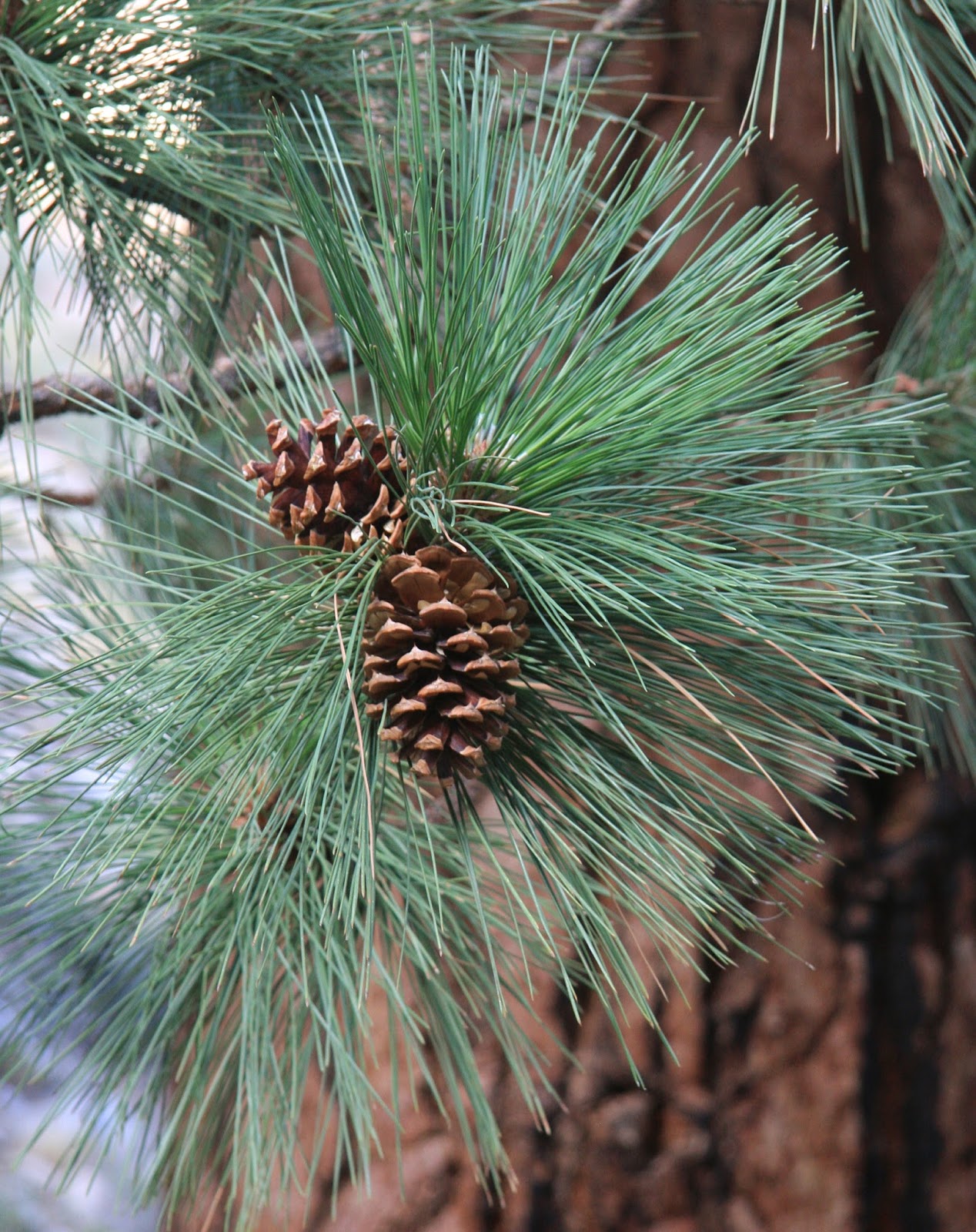
Ponderosa Pine
If you are interested in ordering Native Plants, but have no idea how to best utilize them on your property then you may be interested in attending our Native Planting 101 Workshop. This FREE workshop is taking place on March 5th from 12 to 4:30 pm at the PUD Auditorium on N. Wenatchee Avenue. This workshop is perfect for landowners in our district who are interested in learning techniques to effectively use native plant species to encourage pollinators, restore damaged areas, and create a low maintenance yardscape. It may be particularly useful for property owners who lost vegetation in last summer’s fires or for those who are seeking to become more FireWise. The workshop features presentations on Yardscaping, Pollinators, Restoration, and Integrated Weed Control Methods by local plant and natural resource experts. Workshop attendees will have an extended deadline of March 11th for ordering plants from the Native Plant Sale. You can register for this free event on our website!

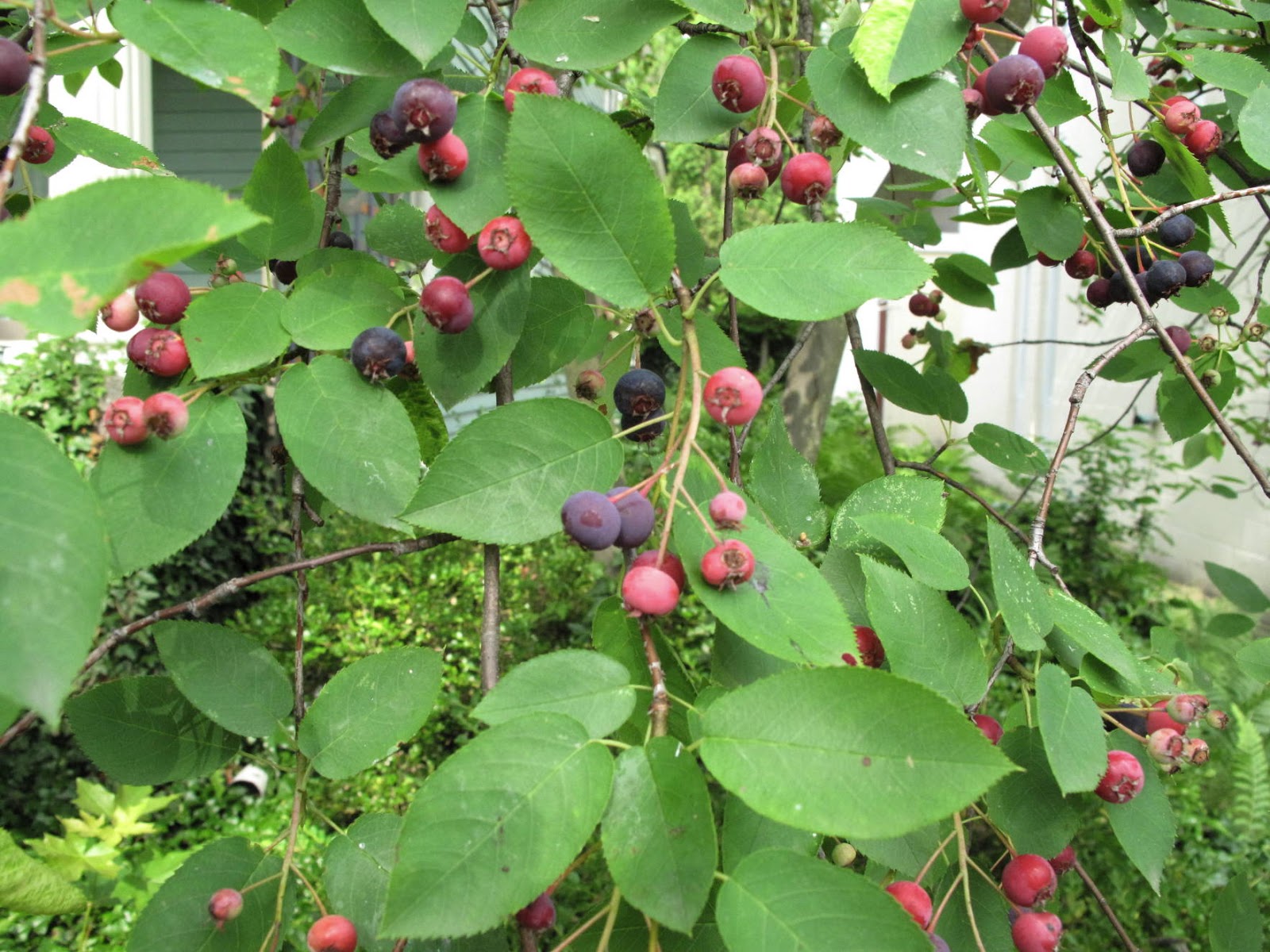
Serviceberry
If you are interested in either of these events you can find more information on our website, cascadiacd.org. Our Native Plants are selling out quickly, so if you haven’t already had a chance to make your plant selections, I strongly urge you to do so as soon as possible! We are also looking for more volunteers for both of these events- if you are interested in volunteering send an email to americorps@cascadiacd.org. 

-McKenzie

Wednesday, May 6, 2015

Wenatchee River Appreciation


Heading into what is sure to be a warmer than usual spring and summer and with such a measly snowpack in the mountains, Cascadia Conservation District and a group of well-intentioned community members headed to the banks of Brender Creek for our annual Wenatchee River Appreciation event. This year’s event was all about repairing the disturbed riparian area along the Wenatchee River tributary.


The banks of Brender Creek, adjacent to the former Cashmere mill site, has been one of Cascadia’s project sites over the winter and into the spring. It’s a site that has seen extensive cleanup efforts over the last few years, with the Port of Chelan fronting the bill for removal of debris and pollution accumulated over years of mill activity, with the intention to sell the land. 

With funding from the Department of Ecology, Cascadia and partnering agencies Chelan County Port District and Cascade Columbia Fisheries Enhancement Group provided about 250 plants (ponderosa, Oregon grape, mock orange and golden currant), planting equipment and refreshments for volunteers. Clad in dusty work clothes and worn leather gloves, nearly 30 community members came out to help plant throughout a couple hundred yards of the Brender Creek riparian.

With so many eager hands getting plants in the ground, the event lasted about two and a half hours, culminating in a raffle in which two Wenatchee High School students won photographs by local artist and Cascadia Project Manager Michael Cushman. Cascadia would like to thank Cascade Quality Water and Crunch Pack for providing refreshments.

Today’s snowpack is 31% of the 34 year average (ftp://ftp.wcc.nrcs.usda.gov/data/water/wcs/gis/maps/wa_swepctnormal_update.pdf).

Monday, February 23, 2015

What Cascadia Does, Part II

Two weeks ago we took a look at how Cascadia Conservation District is an asset to the community through its Landowner Owner Assistance Program. Continuing with that theme, we’re going to take a quick look at the Family Forest Fish Passage Program, which is run by the Washington State Department of Natural Resources- one of Cascadia’s partnering organizations. Cascadia’s roll in this program is to help Chelan County landowners determine eligibility, file the application and finally oversee implementation once funding is made available by the DNR.
Culverts like these block fish passage,
especially for juvenile fish.

A good portion of Washington’s forested land, 3.2 million acres (http://www.dnr.wa.gov), is privately owned by small forest landowners. These 3.2 million acres are an important habitat component in a state with federally protected anadromous fish populations. This is where the Family Forest Fish Passage Program comes in.

Working with qualified landowners, the purpose of the Family Forest Fish Passage Program is to replace culverts and other barriers with new structures that allow fish easy passage and reduce habitat degradation while improving access for land owners. Common culprits, culverts can degrade and dissect fish habitat in several ways. A culvert can deter fish passage if there is a drop, similar to a water fall, from the output of the culvert. Similarly, a culvert can become a barrier if it is undersized, creating high water velocity and pressure so great it prevents fish, especially juveniles, from advancing upstream.

Unlike our Landowner Assistance Program, there are several conditions for eligibility. You must be a private small forest landowner and harvest less than 2 million board feet of timber annually from your property. The barrier must be associated with a road and on forested land capable of supporting a merchantable stand of timber. Finally, the barrier must be in a fish-bearing stream, typically wider than 2 feet with a gradient less than 20%.

If you’d like to learn more about this program, visit the Washington State Department of Natural Resources website, call our office at (509) 436-1601 or come to our office at 15 N Mission St. Wenatchee, WA.

Today’s snowpack in North Central Washington is down to 55% of the 34 year average (http://www.wcc.nrcs.usda.gov).


Thursday, February 12, 2015

What Cascadia Does

“Oh yeah, the conservation district… That must be, uh, some interesting work?” Verbatim, my loquacious uncle’s reply when I told him what I’ve been up to and where I’m working. Like most, my uncle had no idea what a conservation district is. Surprisingly, I’ve had a hard time getting people to understand just what a conservation district does. There is no easy elevator speech for conservation districts. So I’d like to use the next few blog posts to highlight some of our programs.

 Officially, from the National Association of Conservation Districts’ website,"Conservation districts are local units of government established under state law to carry out natural resource management programs at the local level. Districts work with millions of cooperating landowners and operators to help them manage and protect land and water resources on all private lands and many public lands in the United States" (http://www.nacdnet.org/). In short, it is an organization that seeks to help people take care of the land and environment around us. Cascadia’s landowner assistance program is one of several ways we do this.

A hedgerow, planted to attract pollinators and other beneficial insects.
 The landowner assistance program is for landowners in Chelan County, excluding those within Wenatchee and Chelan city limits, who are looking for technical and/or financial assistance in installing best management practices (land use practices which mitigate environmental degradation). This could mean replacing outdated irrigation, restoring buffers or riparian zones or even soil testing. Because of this area’s predominant agriculture industry, its proximity to anadromous fish habitat and its proclivity for wildfires, much of our landowner assistance is for landowners with streamside, farmland, orchard or forested property. That said, if your land does not fall in one of these categories, it does not disqualify you for such assistance.

An excellent example of landowners who not only took advantage of our landowner assistance program, but also became role models for environmental stewardship, was highlighted in a blogpost of ours from November 21, 2011.

If you’d like more information on landowner assistance you can call us at (509) 436-1601, email us at www.cascadiacd.org or just come by our office at 14 N Mission St. Landowner assistance is only a fraction of what we do here at Cascadia, so please come back next week for a look at the Family Forest Fish Passage Program.


With all of the warm weather and rain we’ve had in the last week, today’s snow pack in our area is a measly 63% of the 34 year average.  

Thursday, January 29, 2015

Icons of North Central Washington


With this post we’ll conclude our look at the native plants offered by the Cascadia Conservation District. If you’d like to see the full plant list, make an order or get more information please visit our website.

These final two plants are symbols of our region. The grand ponderosa pine (Pinus ponderosa) and the vine maple often come to mind when thinking of healthy ecosystems in our area.

My favorite tree of all time, icon of the west and reigning top seller in our plant sale is the ponderosa pine tree. Ponderosa pine, colloquially ‘pondo’, is characterized by its orange, scaly, plate-like bark and long green needles which are typically borne in bundles of three. Growing to around 100 feet in mostly open stands, ponderosas often have the appearance of dominating their surroundings. They are also known for smelling like vanilla.

Very well adapted for our climate east of the Cascades, ponderosa pine isn’t just fire tolerant, it depends on fire. With its thick bark a large ponderosa can handle the low intensity fires that were ubiquitous to this area prior to modern forest management. These fires eliminated the pondo’s resource competitors, allowing it proper exposure and sufficient resources. Since management plans have included enthusiastic fire suppression, shade tolerant trees and shrubs have moved into ponderosa stands throughout the west, lending such stands the characteristics necessary for the increasingly large scale fires we’ve been seeing as of late.

As for conservation uses, ponderosa is commonly used in shelterbelts, living snow fences and in riparian restoration. Ponderosa stands make great habitat for squirrels, birds and bats and provide shelter for big game. Because ponderosa needs exposure, it is a seral species which, when mature, can provide the necessary shade for shade tolerant species to return after a significant disturbance. This makes it an excellent native plant choice for post fire restoration.

Vine maple (Acer circinatum) is another iconic native plant in our region. It is a deciduous tree with red and white flowers in the spring, and brilliant red to subdued yellow broadleaves in the fall. Typically vine maple will grow between 10 and 30 feet tall, with shaded specimens reaching the upper end of that range readily and exposed specimens on the shorter side.

Vine maple grows best along streams and moist sites. It prefers shady sites, but can tolerate some exposure.  In more exposed sites it often takes a single-stemmed tree form, while in shade it usually grows as a shrub in clumps and thickets.

With its white and red flowers in the spring and showy colors in the fall, vine maple is a common choice for those looking to use native species to beautify their landscaping. It is also used as a streamside stabilizer, as a pioneering species at disturbed sites and is an important food source for birds and large and small mammals alike.

Again, if you’re interested in ordering any of our plants, need more information or would like to sign up for our native planting workshop, please see our website.

Today’s Central Columbia River area snowpack is currently at 63% of its 29 year average (USDA/NRCS National Water and Climate Center, http://www.wcc.nrcs.usda.gov).

Thursday, January 22, 2015

Broadleaf Bonanza

For this week’s blog we’ll examine three broadleaf shrubs: the Oregon state flower, a red-barked soil retainer and stinky white flowers. Remember, these are but three of Cascadia’s 14 native plants for sale. To make an order, see a complete plant sale list or sign up for our free native planting workshop, please see our website.

Oregon Grape
Oregon Grape
Oregon grape (Mahonia aquifolium), Oregon’s state flower, is my favorite shrub in this year’s sale. With a waxy texture and sharp leaflets, its evergreen leaves strongly resemble those of ivy. Oregon grape produces dense clusters of small yellow flowers followed by tart, dark blue berries. It typically grows three to six feet tall and five feet wide.

Oregon grape will grow in a variety of settings, from the coastal range to the eastern slopes of the Cascades. It can grow in soils from moist to dry and at exposed to shady sites, but is especially well adapted for drier, exposed sites which makes it a great restoration species. It propagates via suckers and has an extensive root system, making it an excellent soil stabilizer. Birds and rodents are attracted to the berries and the new growth and leaves can be a food source for elk and deer.

Red osier dogwood (Cornus sericea) can grow to about 20 feet tall and 20 feet wide. It has thin, waxy, red bark with green deciduous leaves that turn red in the fall. In the spring it grows the beautiful white clusters of flowers characteristic of dogwood.

Red Osier Dogwood
Red osier dogwood often grows in dense thickets along riverbanks and is found much more sparsely at higher elevations and drier sites. While it prefers plenty of exposure, it will tolerate shade. It’s proclivity for moist soils and open sites and its extensive root system make it a great streamside restoration plant. It can stabilize soil as well as provide shade and habitat for fish. Its foliage is also an attractive food source for elk and deer.

Blue Elderberry
Blue elderberry (Sambucus nigra ssp. cerulea) is one of the largest shrubs we offer growing up to about 30 feet tall and 20 feet wide. It dawns white flowers in the spring which are aesthetically pleasing but emit a slightly rancid smell. These smelly flowers give way to purple or black, waxy berries. It has long, narrow green leaflets up to six inches long. 


While it can grow in a variety of habitats, blue elderberry does best on exposed sites. It’s an early seral species, but can persist beyond initial succession. In conservation, blue elderberry has a number of uses including riparian restoration, erosion control and habitat improvement.


Thanks to a brief, though much needed storm last weekend, the Central Columbia River area snowpack is currently at 71% of the 29 year average.  More specifically, as of January 1, the Wenatchee River drainage was at 68% of its 29 year median.  (USDA/NRCS National Water and Climate Center, http://www.wcc.nrcs.usda.gov). 

Thursday, April 3, 2014

The Bridge Effect

An example of a bad culvert. Notice the
water fall effect that prevents fish passage.
It's also too small and can't handle high
water flows.
A bridge is not a simple structure. To the eye they may seem simple, just a series of intersecting pieces that allow you to span a river, creek, canyon, or bay. But all the pieces must work together to support the weight of the entire bridge and all its traffic on just a few supports. Of course some designs are simpler than others. A small bridge crossing a 10 foot creek is a child’s plaything compared to a bridge spanning the Columbia River. Bridges can be made of many things. Cement, metal, and wood being some of the more common materials, and they’re often combined depending on the need.
As much fun as it would be to write a blog focusing on the types bridges I feel that’s a little outside the areas I should focus on. Instead I want to focus on bridges and their environmental impacts, both good and bad. I want to keep a very loose definition of bridge open for discussion, so I’m going to be looking at bridges and bridge-like structures. I’m not going to be bashing bridges either.

The first area I’d like to look at include the effects on aquatic ecosystems. Large aquatic ecosystems, such as a large river, bay, sound, etc. may be less impacted by a bridge. That’s not to say there’s no impact, especially during construction, but once completed the water and any organisms present can generally navigate around the pylons with little impediment.
Small aquatic ecosystems are easier to negatively impact. Things like creeks and small rivers. Places where an improper bridge can severely limit the flow of that ecosystem. I’m going to include culverts here. I consider them bridge-like.
The same site replaced with a bridge. Notice the open water.
Fish and other wildlife can freely travel. 
Culverts can severely reduce the health of aquatic ecosystems if they’re too small or improperly installed. They can separate fish populations or prevent the migration of salmon to spawning habitat. They can also limit the movement of aquatic insects and amphibians. Culverts that can’t handle high water flows can lead to washouts of surrounding vegetation and soil further negatively impacting the water health. Culverts without natural surface bottoms can disrupt wildlife by confusing them as they move around. Luckily these have simple solutions. Replace them with larger culverts that properly connect the stream, or better yet, remove the culverts entirely and install an open span bridge. This allows for the proper meandering of the stream and lessens the impact on wildlife.
Bridges spanning rivers can also be poorly built and while they might not affect the aquatic ecosystem as much they can impact the terrestrial ecosystem. Many animals move throughout their day near water. If they’re walking along the bank and suddenly run into a large cement bridge where do they go? Maybe they can swim, so they just hop in the river and go around. Maybe they turn around and go back. Or maybe they want to keep going. They wander up onto the road, possibly endangering themselves and human drivers.
Another possible option. A much larger culvert. There 
is no longer a waterfall and it can handle high water flow.
However, bridges can be built specifically for the protection of animals that may want to move across a highway or highly congested area. Often these are termed wildlife crossings, and include a variety of structures including overpasses, underpasses, and culverts (all bridges or bridge-like structures). They are built solely to allow animals to move without having to cross in front of traffic.


Thankfully, most negative impacts of bridges are considered when new bridges are being built. All aspects of the ecosystem are considered, aquatic, terrestrial, and even, aerial (some birds run into suspension bridge lines). Many new bridges look to mitigate and even reverse the negative impacts of their forebears resulting in bridges that accommodate human needs to travel, but also try to preserve natural ecosystems.


Friday, January 24, 2014

Plant Native Things and Watch them Flourish

As we near our Native Planting 101 workshop and the deadline for placing an order for the Native Plant Sale I felt it was good time to write a blog looking at native plants. Planting native can save you a lot of things. Time, effort, and money are probably the three biggest. I’ll take a look at a few different tasks involved in gardening and then explain how natives save you time, effort, and/or money for each task.

Watering is probably the most important chore when it comes to gardening. If you hand water this can be a long and tedious chore requiring you to daily visit each plant in the middle of a scorching summer. Natives require minimal watering on your part. Once established, native plants should survive primarily on water available on site without extra from you. (Of course this assumes you get the right plant for the right area. A native plant normally found next to a creek may not thrive on an exposed slope.) They’ve survived in this climate for hundreds of years without human intervention, so why would they need you to water them now? The first year or two they might need watering to establish a solid root system, but after that they’re good to go. Of course, if you have a sprinkler system you probably won’t notice a drop in your time or effort. However, in both cases you’ll save money using natives. No longer will you have to spend money to water plants. Natives don’t need your water.
Fertilizer is another big item. Natives don’t need fertilizer to flourish. They’ve grown in these conditions before, whether that’s a sandy slope with minimal nutrients, or the side of a creek with an overabundance of water. Find the plant native to those conditions and you won’t need to fertilize it. This will save you time, effort, and especially money. Fertilizer is not cheap, and it’s a task that often requires applications over and over again, year after year. Natives don’t need it.
Pruning or thinning in your garden can take up a large amount of time. Natives can cut down on the time and effort. Natives don't need constant pruning and thinning to grow healthily. They grow well if just left alone. Whereas introduced species may require pruning or thinning to maintain the health of the plant. Native plants will survive just fine if left alone.

Cascadia is still taking orders for its Native Plant Sale. We have availability on all 12 plant species, but some are selling faster than others. To make sure that you don’t miss out on any of the plants you’ve been mulling over buying make sure to order yours today! Visit our website for a brochure outlining some of the highlights of all 12 plants, or read the 3 blog posts that cover each of the 12 plants in a little more detail. First. Second. Third. Our deadline for ordering plants is set for February 14, so three weeks is all the time that’s left to order bushels of plants perfect for your landscaping or restoration needs.

Cascadia is also sponsoring a Native Planting 101 workshop on Saturday, February 8. We encourage anyone that wants to use native plants in their yard, or that’s just generally interested in native plants to attend. Our speakers will cover topics including restoration, yardscaping, pollinators, and weeds. All four of our presenters have presented at previous Native Planting 101 workshops and have plenty of useful and interesting information to share with you! Visit our website for more information and to RSVP.

Thursday, January 9, 2014

Native Plant Sale: Part 3

It’s the first week of January. The weather doesn’t feel much like winter though. The last few days have brought temperatures in the low to mid 40s, and the snow has been lacking. It feels more like November or February outside right now. Regardless, it’s time to take a look at the last four plants in this year’s Native Plant Sale.
Blue elderberry is the sixth shrub for sale this year. The range of this shrub covers the western parts of North America north into British Columbia and south into the northern parts of Mexico. They favor damp areas along streams, rivers, and other open, wet locations. They grow best on moist, well-drained, and sunny locations. It works well as a stream bank and eroded site stabilizer. The blossoms on elderberry are white and will bloom between May and July depending on local climate. The berries that mature in late summer into the fall are quite edible and have been used for makes preserves, pies, and wine. Click here to read a previous blog outlining some of these uses. Many birds and animals will also eat the berries. It can reach sizes of up to 25 feet tall, but is more common to reach sizes around 10 feet. 
Red osier dogwood is the seventh shrub available this year. This dogwood is present in most of the US and Canada. The only area it’s not present is in the South East US stretching over to Texas. They are usually found growing in moist soils along rivers, swamps, creeks, and lakes. Even though they prefer moist soils they don’t like completely saturated soil for long periods of time. Red osier is useful for stream bank stabilization. The plant is most noticeable in the winter when its bright red bark adds color to a winter landscape. It flowers in late spring with clumps of small, white flowers. It is also useful as forage for animals in the winter, and its berries are eaten by some bird species. It can reach heights of 20 feet, and will often grow in thickets due to the rooting ability of its stems. A more in depth look at red osier can be found here.
Tall Oregon grape is the final shrub offered this year. Its distribution ranges throughout the Northwestern US and extends up into British Columbia. It can grow in a variety of soil and terrain types, from dry to moist, and from sunny to shady. Oregon grape can be found as an understory species in wooded areas, or as the one of the first species growing in a disturbed area. The plant develops a large root system with time, so it can be useful for soil stabilization. Many rodents and birds enjoy the berries, and young stems and leaves may be eaten by deer and elk. It also has many ornamental qualities including bright yellow flowers in spring, purple berries in late summer, and reddish green leaves throughout the year. It will grow to roughly 10 feet in height, with an approximately equal amount of spread.
Kinnikinnick is the only ground cover for sale this year. Its range covers Canada and much of the Northern and Southwest US. It grows best in course soil that is well drained. It grows in forests and on sand dunes, acting as a very effective soil stabilizer due to its spreading nature. It tolerates cold very well. The fruits on the kinnikinnick are eaten by some birds and game animals. Deer may browse it lightly as well. Its leaves are dark, shiny green. The flowers are small and white to pink in color, blooming in late spring. It is a low growing plant, generally staying under 6 inches in height, but it can spread out 15 feet.
This concludes my look at all 12 plants offered for sale this year with our Native Plant Sale. If any of these plants sound intriguing make sure to order some today! There’s a little bit of everything available. Conifers, deciduous trees, shrubs, and ground cover will provide everything you need to landscape or restore your property. Click here to visit our Native Plant Sale page.

Come back next week for another article.

Wednesday, November 6, 2013

Native Plant Sale

Cascadia has started accepting orders for the 2014 Native Plant Sale. This year we’re offering 12 different native species. These 12 species can be grouped into four basic categories: coniferous trees, deciduous trees, shrubs, and ground cover. With 12 different options there is bound to be something perfect for whatever your landscaping needs may be. Native plants are ideal for creating a new native garden, restoring a damaged site, or they can just as easily be used as a compliment to an already existing garden.
What makes native plants so amazing? They know the area. Native plants evolved under our natural climate and conditions. That means that they don’t require the constant watering, fertilizing, or tending to that many ornamental plants require. Once established, native plants will flourish with very little upkeep on your part. Visit our website for more information. Order yours today!

Since we’re starting to take orders for our native plant sale, I feel it’s only appropriate to spend some time talking about the different plant species we’re offering this year. This week I’m going to cover four plants: ponderosa pine, rocky mountain maple, golden currant, and serviceberry.

Ponderosa Pine
Ponderosa pine (Pinus ponderosa) is the only conifer we’re offering this year, but it’s a good one. Ponderosas have a native range that goes from southern Canada to Mexico.  They grow in a wide range of soils provided there is enough moisture and drainage. It frequents areas receiving 14-30 inches of annual precipitation, much of this as snow in the winter. Once established it is fairly well suited at surviving periods of drought, such as the summer months. Ponderosas do not like shade. In order to properly grow they need access to direct sunlight. They work very well as an erosion control due to their quick growth and ability to grow in many soil types. They can live for several hundred years and reach heights of over 100 feet with diameters of more than 2 feet.


Rocky Mountain Maple
Rocky Mountain Maple (Acer glabrum) is one of two deciduous trees on sale this year. It covers a large range the goes from Southern Alaska all the way down to California. Rocky Mt. Maple can thrive in a variety of sites with adequate moisture, from moist lowlands to dry uplands. It tolerates shade well enough to grow as an understory species, but can also grow with full sun in exposed areas. Depending on the conditions it can grow as a shrub or tree. It can reach heights of 30 feet with adequate space.


Serviceberry

Serviceberry (Amelanchier alnifolia) is another of the eight shrubs offered this year. It is found throughout western North America at low to mid elevations. It grows in many site types, full sun to shade, moist to dry, and level to steep. It grows best with over 12 inches of yearly precipitation and good drainage with decent sun exposure. It works well as a stabilizer because of its large root system. It produces many white blooms in the spring and in late summer provides berries for wildlife. It grows anywhere from six to fifteen tall with similar amount of spread.


Golden Currant
Golden currant (Ribes aureum) is the one of eight shrubs up for sale this year. Its range covers an area from Canada south to Southern California or Northern Mexico. They grow in a variety of sites, from damp, brushy sites to exposed, rocky hillsides. It generally prefers good sun exposure. The flowers are bright yellow and cover the plant in the spring. Later in summer it produces small berries that are eaten by a variety of wildlife. The bush usually reaches heights and spreads around six feet.


That’s just a brief look at four of our plants offered this year. I’ll do this two more times at the beginning of December and January to finish covering all of our offered plants. If any of these plant species sound appealing, make sure to visit our website and download the brochure and order form. 

Tune in next week for another article.

Josh


Thursday, December 1, 2011

Reflections on the Chumstick Riparian Restoration Project

IRMS 8th Graders: In their own words
This October, Cascadia and Icicle River Middle School (IRMS) teamed up to do a riparian clean-up and restoration project near Leavenworth, WA.  For all the details of this project, see our October post "Getting Youth Involved."
Everything appeared to go well and the kids seemed to have a good time, but I have been eager to know what bits of knowledge the students retained or how they truly felt about the project.  This week, I was able to swing by the school and pick up the envelope containing a stack of student reflections.  The variety of responses- thoughtful, insightful, entertaining- were wonderful to read, and I thought they should be shared. So, without further ado: 
Reflections...

On riparian areas and their function:
"I learned that Riparian was a habitat near water."

"By growing trees the creek will have more shade.  When the water is colder there is more oxygen for the fish.  I learned that what I just said is called a riparian habitat."
"I learned that if there is more roots in the soil there would be less of a chance of erosion.  So that’s why we took out the blackberries and put in more plants...  Also I learned if the water is colder it produces more oxygen for the fish to breathe."
"I learned that having the right habitat is very important because if you don’t many things can go wrong.  For example, it there aren’t the right plants there that are tall with deep roots, the river won’t get shaded and the roots won’t hold the dirt down."

"I also learned that there’s a lot of value to a riparian environment, fishes enjoy it, you can have fun, and [it’s] a good way to relieve stress."
"Helping the ecosystem was fun because it was “hands on” science."

"I also learned that teamwork, friendship, and care and respect for nature will help not only the environment (as in the creek and such), but give wild animals a home, whether they are 600 lbs. elk, or 16 oz. fish, they need us, and we need them."


On pollution and cleaning up:
"I really loved the restoration project because it felt good to help clean up the environment.  Also it felt good when [we] crossed the creek, got really dirty, and pulled out two tires."
"We had to go in the stream and take rocks out to help the stream flow better.  And that was hard work.  I was the muscle man so I had to take out all of the big rocks."
"I also learned that there is a lot of pollution in the most unexpected places..."
"I learned that grass is heavy.  And we needed to get all the garbage out of the water so the fish will come back."
"One memory from there that I’ll keep forever would have to be when… I found a huge piece of machinery in the ground.  It took like twenty minutes just to get it out of the ground, even with six other people helping me."
"…I learned that even though we can’t always see it, and we don’t really realize it, there was pollution there, and how to quickly remove it."

On Himalayan blackberry:
"I learned that blackberry bushes have one big root but not many small ones.  Blackberry bushes don’t prevent erosion so we had to take the bushes out and plant different plants with smaller (but a numerous amount) roots."

"...I learned about just how overtaking they are.  The stuff was everywhere on the hillside and it was pokey and very stringy too." 

On planting and proper planting technique:
"I thought it was super fun cleaning up, but planting was more fun because we really helped the hill from eroding.  We also planted some trees and bushes that poked me, but it was all worth it." 
"I enjoyed planting the trees because when they grow and [I] see them I’ll be like I planted one of those trees!"
"…my group planted 7 trees and that made a big difference because we will have more wild life." 
"I learned that the hole you dig for a plant has to be twice as wide as the roots and just as deep as them.  I enjoyed planting plants because I can’t wait to see them in a year or so."
"If you put too much dirt or soil on top of the plant, the plant will die because its roots will grow to the surface and not into the ground."
"...I thought it was dig a hole and put [a plant] in it… With the little [plants] you have to protect them from other animals, like deer.  I learned now how to plant really well.  I can do this at home and plant a lot."
"I enjoyed planting the plants and found it interesting the materials used to keep them in the ground.  Everything was biodegradable."


And other thoughts and wisdom:
 "I like working in the wilderness helping make a change in the habitat.  I hope someday the salmon will be able to swim freely in the stream."
(It's happening! Check out the video of salmon in Chumstick Creek!)

"…I learned that that’s kind of what I want to be when I’m
 older."

"I learned to check where the bank ends before I got too close to the creek.  Once I fell in the creek, I learned not to go back."
"I personally really enjoy working outside as opposed to writing papers in class all day."

  "The ladies there were real nice and gave us hot cocoa..."

"In all, it was a great trip, a few unfortunate people fell in the creek, but a good time was had by all."


Thanks again to the IRMS 8th graders for all your great contributions! 
And thank you for reading!

Your Friend in conservation,
Julia